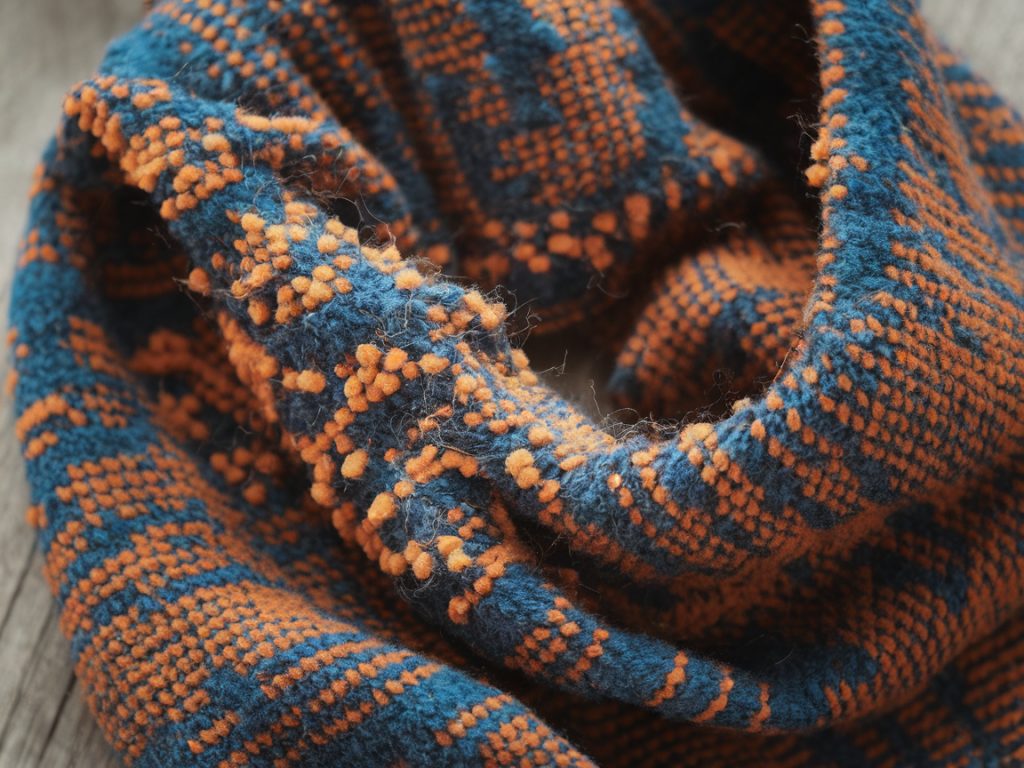
I have a small confession: I treat scarves like tiny, comforting rituals. I wrap up in one with my morning coffee, stuff another into my tote for the commute, and have at least one on hand for the “just in case” chill. So when my favourite wool or cashmere scarf starts to pill, it feels personal — like a tiny betrayal from an otherwise reliable wardrobe favourite. Over the years I've learned that pilling is normal, but it doesn't have to be permanent. With a few small purchases and a little care, you can stop scarves from pilling so much, and make the ones that have already bobbled look almost new again.
Why scarves pill (and why that's OK)
Pilling happens when short fibres break and tangle together on the surface of knitwear. Natural fibres like wool and cashmere pill more visibly than synthetics, but they still feel softer and look more luxurious. Pilling is a sign of wear — not necessarily of poor quality. That said, you can reduce how much pilling happens and tidy up the surface when it does. The key is a mix of prevention, gentle cleaning, and the right de-pilling tools.
What to buy now: the shortlist
If you want a quick answer: buy a sweater shaver, a lint/fuzz comb, a gentle wool wash, and a laundry bag. Optionally, a fabric stone or fine scissors for stubborn pills, and a steaming iron for finishing. Here’s what I keep on my shelf.
Sweater shaver / electric de-piller — My go-to for bigger surfaces. Brands I trust: Philips (their compact sweater shaver is reliable), Evercare, and Conair carry decent models. They quickly remove surface fuzz without damaging the knit if you use them gently.Fabric comb / sweater stone — For delicate scarves or cashmere, a manual comb (sometimes sold as a sweater comb) is gentler and more precise. Brands like Molder or KnitPro make good combs. A pumice-style sweater stone is great for stubborn areas without taking off too much fibre.Gentle wool wash — Regular detergents can be harsh. I use Eucalan or The Laundress Wool & Cashmere Shampoo for hand-washing scarves. They clean, condition, and often contain lanolin or scent-free options that keep fibres supple.Delicate laundry bag — If you machine-wash occasionally, protect scarves in a mesh lingerie bag and wash on the wool/hand-wash cycle. It reduces friction in the drum, which causes pilling.Steam iron or handheld steamer — Steaming relaxes fibres and fluffs them back into place after de-pilling or washing. Philips and Tefal make good steamers; handheld steamers from Shark or Steamery are compact and effective.Anti-pilling spray (optional) — Products like Woolite’s anti-static and anti-pill sprays can slightly reduce friction and help scarves stay smoother between treatments.Storage sachets & breathable bags — Cedar or lavender sachets keep moths away; breathable cotton storage prevents humidity and crushing, which makes fibres mat and pill faster.How I use each product (step-by-step)
Quick routine to revive a pilled scarf and keep others happy:
Inspect: I lay the scarf flat on a smooth surface and find the worst areas. If there are loose threads, I trim them carefully with small scissors.Clean or freshen: For scarves that are a bit grubby, I hand-wash with Eucalan or The Laundress. I fill a basin with cool water, add the recommended amount, gently submerge the scarf and let it soak for 10–15 minutes. I don’t rub or wring; I lift and squeeze gently, then rinse very lightly if needed.Dry flat: I roll the scarf in a towel to remove excess water, then reshape and lay it flat to dry on a rack — never hang, which stretches fibres.De-pill: Once dry, I use a sweater comb or stone on delicate cashmere. For thicker wool, the electric sweater shaver makes fast work of it. I hold the fabric taut and glide the shaver gently. Don’t press hard; let the blade do the work.Finish with steam: A quick pass with a steamer restores loft and evens the face of the knit. I hover the steamer a few centimetres away and lightly steam, then brush with my hands to fluff fibres back into place.Products I’ve tried and why I recommend them
Here are a few specific items that have earned a place in my routine:
Philips sweater shaver — Powerful but easy to control. It’s quick on scarves and my wool coats. The removable lint container makes clean-up easy.Molder sweater comb — Lovely for cashmere. It gives you precision without shaving off too much fibre.Eucalan Delicate Wash — I love the lanolin option; it adds back a little moisture to dry fibres so scarves feel softer after washing. No rinsing is required if you prefer; that’s perfect for quick refreshes.The Laundress Wool & Cashmere Shampoo — Smells subtle and leaves knits feeling plush. I use it for deeper cleans.Steamery Cirrus No.2 steamer — Compact and effective for lofting fibres without flattening; good for travel too.Preventive buys and habits that help
Tools are great, but how you treat your scarves matters as much as what you buy.
Avoid wearing the same scarf every day — rotate to reduce friction in any one piece.Keep scarves in a breathable drawer or wrap them in tissue to avoid rubbing against zips and hardware.When carrying a tote or wearing a coat with a rough lining, fold your scarf inside to reduce abrasion.Wash sparingly — over-washing weakens fibres. Freshen with a spritz of water and a touch of soap or a short steam instead of frequent washes.Quick comparison table: tools at a glance
| Tool | Best for | How gentle |
| Sweater shaver (electric) | Large surfaces, heavy wool | Medium — fast but can remove more fibre if pressed hard |
| Fabric comb / stone | Cashmere, delicate knits | High — precise, minimal fibre loss |
| Gentle wool wash | Cleaning and conditioning | High — preserves fibres when used correctly |
| Hand steamer | Finishing, freshening | Very high — non-contact way to restore loft |
With these tools and a few care habits, my scarves stay softer and last longer, and when they do pill, the fix feels almost satisfying — like a small ritual that brings them back to life. If you want, I can put together a shopping list with links to specific products I use frequently.