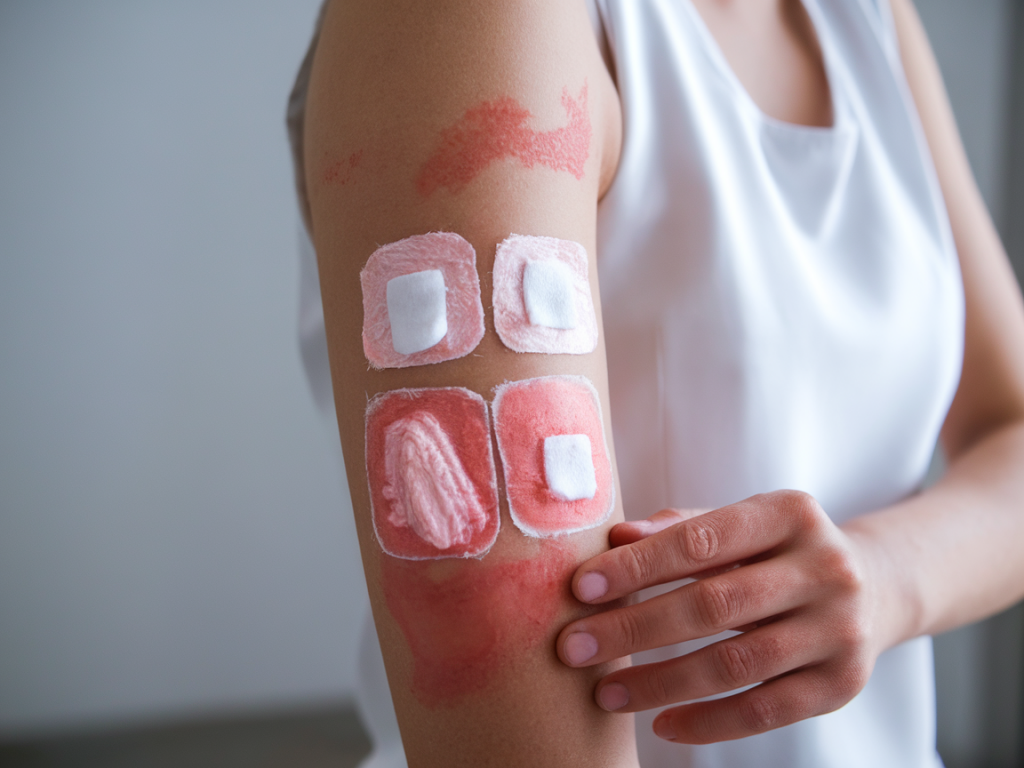
I’ve always been wary of vitamin C serums because of the one thing many of us with redness-prone skin fear: irritation. Brightening sounds wonderful, but not at the cost of more visible redness or stinging. So I set up a simple, kind-to-skin experiment: a two-week patch-test method focused on drugstore vitamin C formulas to find out which actually help calm and brighten redness-prone skin without drama. I want to share the exact method I used, the products I tested, what I noticed, and how you can try this at home safely.
Why a two-week patch-test?
Patch-testing is standard advice, but a short single-application test doesn’t always reveal how a product will behave over time. Some vitamin C serums can sting initially and settle down, while others slowly irritate after repeated use. Two weeks hits a sweet spot: it’s long enough to see cumulative effects, short enough to limit prolonged irritation if something doesn’t agree with your skin.
What I tested and why I chose these products
I narrowed my choices to accessible drugstore options in the UK — products you can pick up easily, under £30, and that represent different vitamin C forms and concentrations. Here are the serums I included:
- CeraVe Vitamin C Serum (10% L-ascorbic acid alternative format)
- The Ordinary Ascorbyl Glucoside Solution 12%
- La Roche-Posay Pure Vitamin C10 (10% L-ascorbic acid)
- Simple Hydrating Booster with Vitamin C (gentler, lower concentration)
- Garnier Vitamin C Serum (ascorbic acid + hyaluronic acid)
I included both pure L-ascorbic acid formulas and stabilized derivatives (ascorbyl glucoside) because they behave differently on sensitive/redness-prone skin. I also prioritized formulas with supporting ingredients like niacinamide, ceramides, panthenol, or soothing agents rather than alcohol-heavy bases.
My two-week patch-test method (step-by-step)
Here’s the exact method I used so you can replicate it at home.
- Prep: Start with a calm facial week—avoid retinoids, chemical peels, and new actives for seven days prior.
- Choose your patch area: I used the inner forearm and a small area on the lower cheek near existing redness. Why both? The arm shows irritation clearly without disturbing facial skin too much; the cheek demonstrates real-world facial reaction.
- Label and map: I drew tiny dots with a washable marker and wrote the product initials on medical tape so I didn’t mix them up.
- Application routine: Apply a pea-sized amount to the designated small area once daily in the morning after cleansing and before sunscreen. For the cheek patch, use the same timing—AM application matters because vitamin C pairs with sunscreen for best brightening protection.
- Observe and record: Each day I took a quick photo in the same light and noted any stinging, warmth, visible redness increase, flaking, or improvement in tone.
- Cut off rule: If a product caused severe stinging, burning, swelling, or blistering at any time I stopped immediately and rinsed. Mild tingling that disappeared within 10 minutes was allowed.
What I looked for
My goal was twofold: reduce the visibility of redness (or at least not worsen it) and deliver a brighter, more even appearance after two weeks. Specifically I tracked:
- Immediate discomfort (sting, burn, heat)
- Delayed irritation (increased redness after several applications)
- Texture changes (dryness, flaking)
- Brightening effect (reduced dullness, evening of blotchy areas)
Results: what the patches showed
| Product | Immediate Reaction | Two-Week Outcome | Verdict for redness-prone skin |
|---|---|---|---|
| CeraVe Vitamin C Serum | Minimal tingle | Smoother texture, slight brightening, no increased redness | Gentle and reliable — great starter option |
| The Ordinary Ascorbyl Glucoside 12% | No sting | Noticeable brightening on arm, cheek stayed calm | Excellent balance of potency and tolerability |
| La Roche-Posay Pure Vitamin C10 | Mild sting first 3 days | Good brightening but slight flare of redness in one cheek patch | Effective, but test carefully if you’re reactive |
| Simple Hydrating Booster | No sting | Subtle brightening, very soothing | Low-risk, low-reward — great for very reactive skin |
| Garnier Vitamin C Serum | Mild warmth | Some flaking and increased cheek redness | Skip if you know you’re redness-prone |
My takeaways
What surprised me most was that ascorbyl glucoside (The Ordinary) performed brilliantly — it delivered a clear brightening effect with minimal irritation. That derivative is gentler than straight L-ascorbic acid but still converts into active vitamin C in the skin, so it’s a good compromise for sensitive or redness-prone types.
Pure L-ascorbic acid (La Roche-Posay) gave noticeable results but came with the tradeoff of a mild initial sting and a small redness flare on my cheek patch. For some people that sting calms as the skin builds tolerance; for others it won’t be worth it.
Products with supporting soothing ingredients (CeraVe with ceramides, Simple with humectants) were kinder. And formulas that leaned heavily on brightening marketing but had alcohol or astringent bases (one Garnier variant) were more likely to cause flaking and worsen redness.
How to pick a drugstore vitamin C for redness-prone skin
- Prefer vitamin C derivatives (ascorbyl glucoside, magnesium ascorbyl phosphate) if you’re sensitive.
- Look for formulas with calming ingredients: niacinamide, panthenol, ceramides, glycerin.
- Avoid high alcohol content, strong essential oils, or heavy fragrance.
- Start low frequency — every other day for two weeks before moving to daily, if tolerated.
- Always pair vitamin C with sunscreen in the morning.
Practical tips for your own test
- Use the inner forearm and one small facial area to compare.
- Photograph daily in consistent lighting and distance.
- If you want to speed up confidence: choose an ascorbyl glucoside formula or a product marketed specifically for sensitive skin.
- If you react, stop and soothe with a barrier-repair product (ceramide moisturizer) and consider seeing a dermatologist if symptoms are severe.
FAQ
Will vitamin C always make redness worse? Not necessarily. Much depends on the vitamin C form, concentration, and the vehicle. Some people tolerate it perfectly well, especially when the formula contains supportive, soothing ingredients.
How long until I see brightening? You may see subtle changes in two weeks, but meaningful reduction in pigmentation and an overall glow typically takes 4–12 weeks with consistent use and sun protection.
Can I layer vitamin C with niacinamide? Yes. Modern formulations and skin understandings show that vitamin C and niacinamide can be used together effectively and may benefit redness-prone skin by brightening and strengthening the skin barrier.
If you’d like, I can put together a printable patch-test template or recommend specific drugstore options available in your country based on price and ingredient preferences. I love finding gentle, effective products that actually suit real life — not just the Instagram grid — and I’m always curious to hear what you try and how it goes.