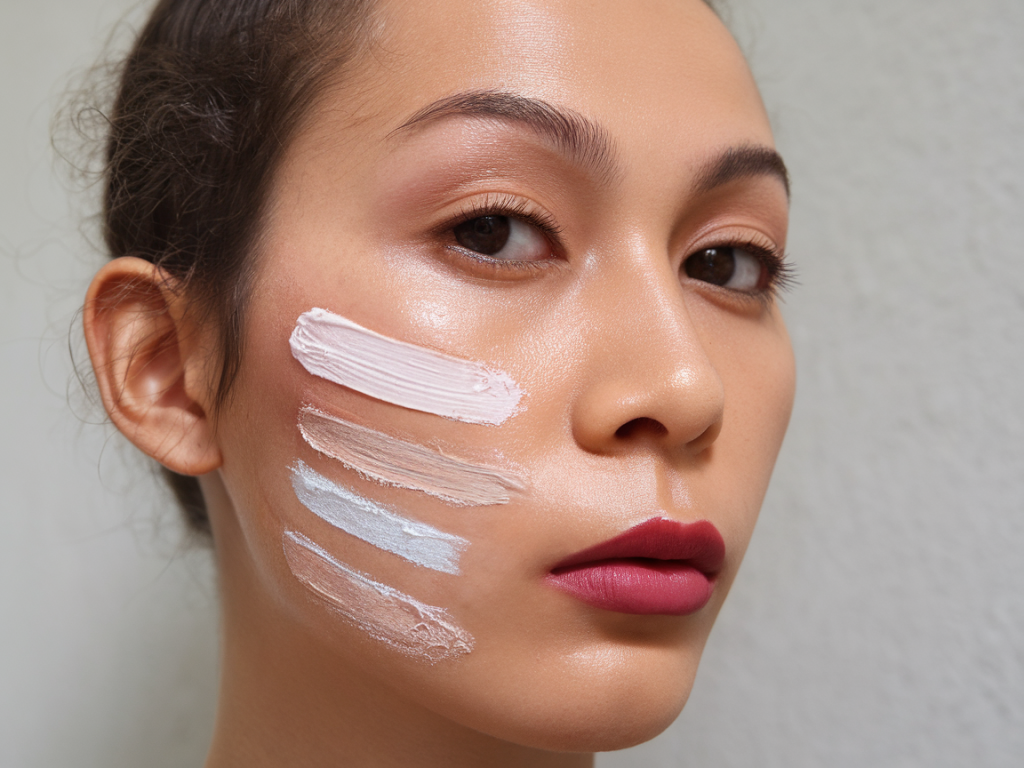
There’s nothing more deflating than spending time on your skin and makeup only to watch your foundation ball up and flake away after you apply sunscreen. I’ve tested a lot of combos (and ruined a few bases) to figure out the simple rules that actually work. Below I share the routine I follow, the products I reach for, and the small tricks that stop pilling and keep my makeup looking as if I built it layer by layer—with protection front and center.
Why makeup pills with SPF in the first place
Pilling happens when ingredients in different layers don’t play nicely together. That can be because of incompatible textures (oily, silicone, or heavy emollient mixing with water-based formulas), too much product, or not letting layers fully absorb. Often the culprit is the sunscreen: many sunscreens are thick, silicone-heavy, or contain film-formers that conflict with primers and foundations.
I used to blame foundations when really the sunscreen or primer was doing the heavy lifting. Once I learned what ingredients tend to clash, I stopped the cycle of trial-and-error and started building a reliable routine.
The order that saves your base
Below is the order I use every morning. Follow it, and you dramatically reduce the risk of pilling.
Important: Always use thin layers. Heavy slathering is what causes the most friction and movement when you buff or pat makeup.
My morning step-by-step with product examples
Here’s a real routine I use on busy mornings. I’ll list a few products I like for each step, including options for different skin types.
1. Lightweight base hydration
I often skip thick creams and opt for a lightweight moisturizer so my sunscreen can sit well on top. My go-to is the Belif The True Cream Aqua Bomb or La Roche-Posay Toleriane Double Repair if my skin is drier. If you use a serum, keep it thin—vitamin C or hyaluronic acid works great.
2. Sunscreen
This is the moment most people fumble. Choose a sunscreen formulated to layer under makeup. My favourites:
- EltaMD UV Clear — lightweight, great under makeup, good for acne-prone skin
- La Roche-Posay Anthelios Ultra Light Fluid — very fluid, invisible finish
- Supergoop! Unseen Sunscreen — silicone-based but very smooth and primer-like
Apply a thin, even layer and gently press it into the skin. Wait at least 2–3 minutes for it to settle. If the sunscreen is still tacky, give it a little longer—this is often the step people rush and later regret.
3. Primer (optional)
If you want a primer, pick one compatible with your sunscreen. For example, if you used a silicone-feel sunscreen like Supergoop Unseen, a water-based primer or a light hydrating primer is safer than another heavy silicone product. I use Primers by Milk Makeup Hydro Grip only occasionally; it works best when my sunscreen is fully dry.
4. Tinted SPF or tinted moisturizer
If your sunscreen is slightly visible or you want extra coverage, consider a tinted SPF or tinted moisturizer as your next layer. I like IT Cosmetics CC+ SPF for days I want coverage and protection in one. Applying a tinted SPF first helps avoid rubbing over a fresh sunscreen layer and reduces makeup movement.
5. Foundation and concealer
Apply foundation with a light hand—either a damp sponge for pressing the product in or a brush for thin layers. Avoid aggressive buffing, especially over the nose and chin where pilling often starts. For concealer, apply sparingly and blend by gently tapping.
6. Powder sparingly
Powder is a double-edged sword: it can set makeup but also create a cakey look if overdone. I dust only the T-zone or under-eye area where I need extra staying power. A light, finely milled powder such as Hourglass Veil Translucent or Laura Mercier Translucent Loose works best.
Which ingredients tend to pill more (and what to avoid)
- Heavy silicones + other silicones: Two very silicone-rich layers can ball up. If you use a silicone-heavy sunscreen, skip another silicone primer.
- Thick emollients/occlusives: Balms or very rich creams can sit on top and slide when you apply makeup. Use ultra-light hydration underneath sunscreen.
- Too many oil-based products: Oils can move makeup when you blend. If you love face oils, apply them only at night or wait a long time for full absorption before applying sunscreen.
Quick fixes when pilling happens
Pilling can still happen—here’s what I do mid-day if it starts:
- Press the area with a clean tissue to lift loose bits instead of rubbing.
- Spritz a hydrating mist (like Herbivore Bakuchiol or something lightweight) and then lightly press powder over the area.
- If it’s severe, remove the makeup in that area with micellar water, pat dry, reapply a small amount of sunscreen/tinted SPF, and rebuild the makeup there only.
Small habits that make a big difference
These are the little practices I almost never skip because they prevent problems before they start:
- Thin, even layers: Apply less, build only if needed.
- Pat, don’t drag: When blending around sunscreen layers, pat to avoid lifting existing product.
- Wait times: Let your sunscreen settle. Two to three minutes is usually enough; sometimes I give it five if it feels tacky.
- Use multitaskers: Tinted SPFs and BB/CC creams combine steps and reduce friction from too many layers.
My favourite combos that never pill
| Skin Type | Sunscreen | Primer/Tinted Option |
|---|---|---|
| Oily | La Roche-Posay Anthelios Ultra Light | Makeup: A light mattifying primer, or no primer + IT Cosmetics CC+ |
| Dry | EltaMD UV Daily | Hydrating primer or tinted moisturizer (e.g., NARS Pure Radiant) |
| Combination | Supergoop! Unseen Sunscreen | Milk Hydro Grip sparingly or a light BB cream |
Getting sunscreen and makeup to behave is mostly about choosing compatible textures and using restraint. Once you know which product feels tacky, which sets matte, and which plays nicely with a sponge or brush, you can mix-and-match without fearing your base will disintegrate by lunch. The payoff is worth it: reliable sun protection plus a base that actually looks good all day.