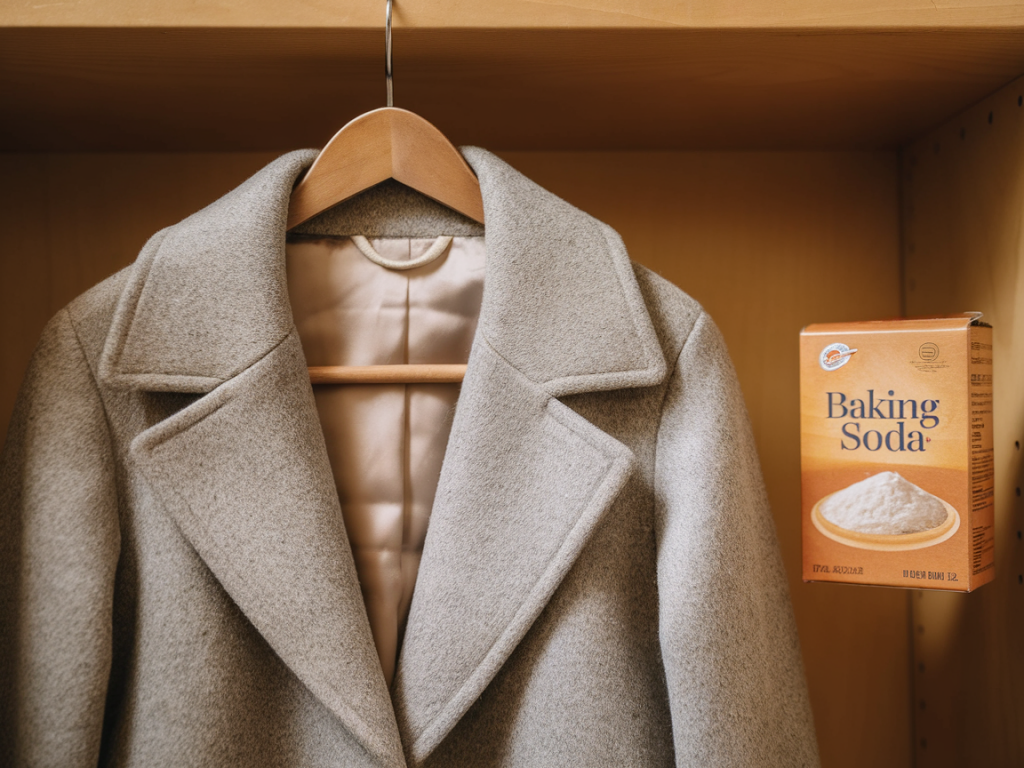
I have a soft spot for wool coats — they’re cozy, elegant and somehow make even a rainy commute feel a little more put-together. But after a few weeks tucked in a damp corner of the hall or shoved into a busy coat rack, that lovely coat can start to smell musty. I’ve learned a few at-home fixes that actually work (without sending everything to the dry cleaner every time). Below are the simple, practical steps I use to rescue a wool coat and keep it fresh season after season.
First things first: check the care label
Before you start spraying and steaming, look at the care label. Wool blends vary greatly — some pieces are machine-washable on a gentle cycle, others are dry clean only. I always treat the label as the rulebook: if it says “dry clean only,” I avoid aggressive home cleaning that could shrink or distort the garment. But many wool coats respond well to gentle at-home treatments designed to neutralize odor rather than soak or scrub them.
Air it out — the easiest and most effective first move
Often the mustiness comes from trapped moisture and lack of airflow. My go-to first step is to hang the coat outside on a dry, breezy day (avoid direct hot sun for delicate colors). Even a few hours of fresh air makes a noticeable difference. If outdoor hanging isn’t an option, hang it near an open window or in a well-ventilated room for 24 hours. I usually turn the lining out and give the whole thing a gentle shake to release dust.
Steam to lift odors and smooth fibers
Steaming does two things: it relaxes fibers and loosens the trapped odors without saturating the fabric. I use a handheld steamer — even the inexpensive ones do a great job. Hold the steamer a few inches away and pass it over the coat in slow, vertical strokes. Focus on the body and the underarms, where smells tend to gather. After steaming, hang it in fresh air so moisture can evaporate.
Spot clean the usual suspects
Sometimes the musty smell hides in small stains or the lining. I mix a mild solution of water and wool-safe detergent (a few drops in a bowl) and use a clean white cloth to dab — never rub — any stained areas. For the lining, a light wipe with the same solution often does wonders. If the label allows, you can also use a wool-specific stain remover like Eucalan for a gentler approach.
Baking soda: the underrated odor absorber
Baking soda is my emergency musty-buster. If airing and steaming aren’t enough, I lay the coat flat (on a clean sheet or towel) and sprinkle a thin, even layer of baking soda over the inside and outside. Leave it overnight — or up to 48 hours for stronger smells — then gently brush off with a soft garment brush or vacuum with the upholstery attachment. Baking soda neutralizes odors rather than just masking them.
White vinegar spray for stubborn smells (use sparingly)
White vinegar neutralizes odors but is acidic, so I use it cautiously. Mix one part white vinegar with three parts water in a spray bottle, give it a gentle shake and mist the coat from about 30cm (12 inches) away — just a light mist, not soggy. Let it air dry completely. The vinegar smell dissipates as it dries, taking the musty odor with it. I wouldn’t use vinegar on delicate finishes or very bright dyes without testing a hidden area first.
Activated charcoal and silica for storage prevention
Once the coat is clean and fresh, prevention matters. I keep a small sachet of activated charcoal or silica gel in my coat closet and in coat pockets when storing for the season. These products absorb moisture and odors without fragrance. You can buy reusable charcoal pouches or make your own with a breathable fabric pouch and lump charcoal.
Use cedar or lavender to deter moths and add gentle scent
Moth damage and mustiness often go hand-in-hand. I prefer natural repellents: blocks of cedar or small lavender sachets in coat pockets and closets. Cedar will also help absorb mild dampness. Avoid heavily scented sprays — they mask smells temporarily but don’t solve the moisture problem.
When to use a professional cleaner
There are times I don’t mess around: genuine stains, heavy sweat build-up, or a coat with “dry clean only” on the label. Also, if the coat is an investment piece (I’m looking at you, cashmere-blend trench), professional dry cleaning is worth it. A good cleaner will also treat the lining and structure in ways home remedies can’t. If you’re unsure, call the cleaner and ask about odor removal services — some offer ozone or specialized deodorizing treatments.
Quick fixes for emergency situations
- Spritz diluted fabric refresher (like Febreze) sparingly on the lining, then air out.
- Hang the coat in a steamy bathroom for 10–15 minutes — the steam loosens odors, then air-dry thoroughly.
- Freeze the coat in a sealed bag overnight to kill some odor-causing bacteria (works best on smaller items or for a short-term refresh).
Daily habits that keep mustiness away
Prevention is the best strategy and it’s mostly tiny habits:
- Don’t wear the same coat every day — rotate if you can so each piece has time to air out.
- Avoid stuffing damp umbrellas or wet gloves into coat pockets; dry items first.
- Hang coats on wide, shaped hangers to keep airflow around them and preserve shape.
- Clean the closet occasionally — dust and residual dampness create a musty environment.
Quick reference table: which method to try first
| Problem | First-line fix |
| Light musty smell | Air out + steam |
| Persistent odor | Baking soda overnight, then brush/vacuum |
| Localized stains + smell | Spot clean with wool-safe detergent |
| Closet mildew smell | Charcoal sachets + airing |
| “Dry clean only” or delicate investment piece | Take to professional cleaner |
I’ve revived more than one beloved coat with these simple steps — sometimes the fix is airing and patience, sometimes it’s a careful steam-and-baking-soda combo, and occasionally I do send a piece to the dry cleaners. Treating wool gently, keeping moisture at bay, and using odor absorbers in storage will keep your coats smelling like the cozy classics they are. If you have a stubborn case or a favorite product that works for you, I’d love to hear about it over on the contact page — sharing tips is half the fun.