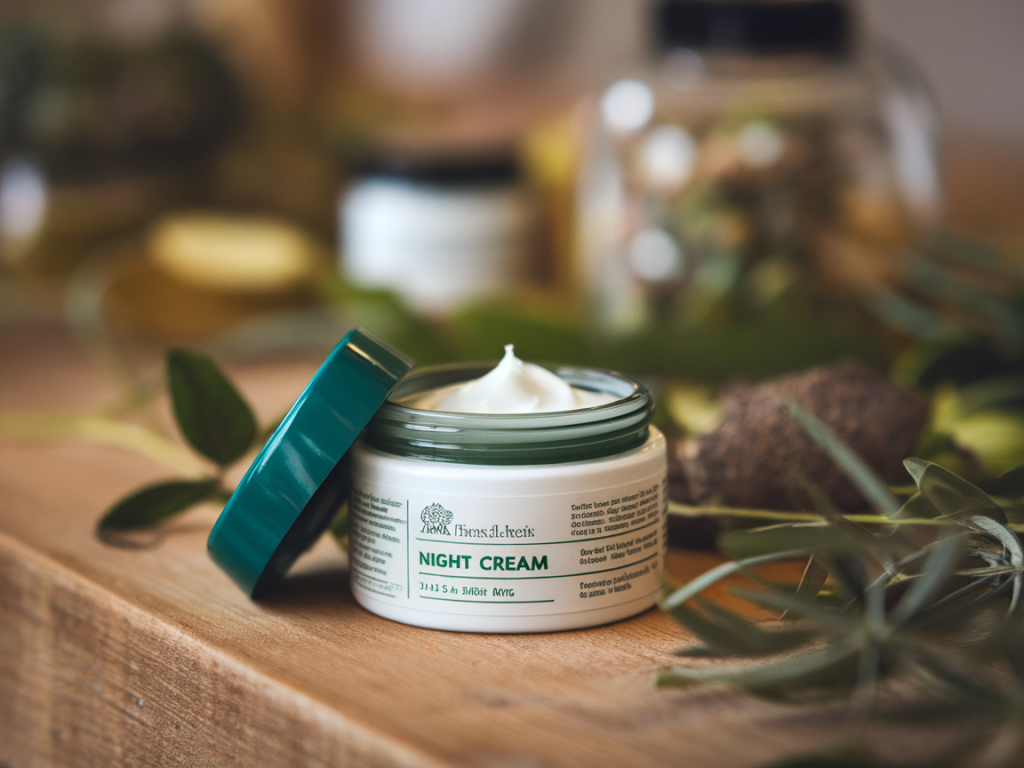
Night creams promise a lot: repair, plumpness, glow, barrier recovery. Over the years I’ve tried my fair share — from heavy French pharmacy creams to lightweight, buzzy serum-cream hybrids — and I’ve learned that a genuinely nourishing night cream isn’t about how thick it feels on your skin. It’s about the ingredients it contains, how they interact with your skin overnight, and whether they support long-term skin health. Below I share how I spot a night cream that actually nourishes, the ingredients I insist on (and why), the ones I avoid, and practical tips for choosing the right formula for your skin.
What does "nourishing" really mean?
When I say nourishing, I mean a product that supports your skin’s natural repair processes: it restores lipids, locks in moisture, soothes irritation, and helps rebuild a healthy skin barrier while you sleep. A nourishing night cream should do more than sit on top of the skin; it should deliver actives that are suited for overnight use and create an environment where your skin can recover.
Ingredients I insist on
These are the ingredients I look for first when choosing a night cream. They work on different layers of skin health — hydrating, repairing, and protecting.
Hyaluronic Acid — One of my go-tos. It’s a humectant that draws moisture into the skin. In a night cream it helps plump fine lines and improves elasticity over time. Look for different molecular weights (or a formula that mentions multi-weight HA) for both surface and deeper hydration.Niacinamide — A multitasker I rarely skip. It strengthens the skin barrier, reduces redness, regulates oil production, and improves texture. It’s gentle and pairs well with many other ingredients.Ceramides — Essential lipids that rebuild the skin barrier. If your skin is dry, sensitive or reactive, ceramides are non-negotiable. They help prevent trans-epidermal water loss (TEWL) and keep moisture in.Peptides — Small proteins that signal the skin to rebuild collagen and support firmness. Nighttime is ideal for peptide-rich creams because the skin’s repair mechanisms are most active while you sleep.Fatty acids & natural oils (squalane, jojoba, linoleic-rich oils) — These replenish the lipid layer. I often prefer lightweight oils like squalane to heavy occlusives if I’m prone to breakouts, but richer oils (even a touch of rosehip or marula) can be wonderful for dry or mature skin.Glycerin — An effective humectant that boosts and maintains hydration. Often paired with occlusives, glycerin helps the skin stay soft and smooth by morning.Soothing botanicals (centella asiatica, madecassoside, aloe) — For irritated or sensitized skin, these ingredients calm inflammation and support healing.Retinoids (prescription retinol/tretinoin or gentler plant-based retinols) — Not in every night cream, but if your cream contains an appropriate and stable retinoid, it can be powerful for cell turnover and long-term collagen support. If you use retinoids, you’ll want a barrier-supporting cream (ceramides, glycerin, oils) to reduce irritation.Ingredients I avoid or approach with caution
Some ingredients create the perception of nourishment without doing the real work. Others can damage the skin barrier over time or cause irritation.
High concentrations of alcohol (ethanol/denat) — Often used for a fast-drying feel, alcohol can be drying and damaging to the skin barrier when used regularly. A small amount isn’t always a deal-breaker, but avoid night creams with alcohol near the top of the ingredients list.Fragrance and essential oils — They smell lovely, but they’re frequent irritants. For truly nourishing night care, I prefer fragrance-free or lightly scented (from non-irritating sources) formulas.Heavy silicones as the only occlusive — Dimethicone can be useful to lock in moisture, but if it’s the primary “moisturizing” ingredient it may just sit on the surface without nourishing the skin. I want both occlusives and active hydrators.Harsh exfoliants or high-AHA content for nightly use — Daily strong acids can compromise the barrier. Use exfoliants sparingly and choose a restorative cream for nightly layering.Unknown "proprietary blends" with undisclosed concentrations — Marketing names are fine, but transparency matters. If an important active is buried in a proprietary blend with no concentration, it’s hard to judge effectiveness.How to read the label like a pro
I always check the ingredient list order first. Ingredients are listed in descending order by concentration — so if hyaluronic acid, ceramides or niacinamide appear near the top, that’s a good sign. Also watch for these clues:
Look for clinical or stability notes — “Encapsulated retinol” or “stabilized vitamin C” suggests the ingredient is presented in a way that reaches the skin without degrading.Check the pH if it’s listed — For actives like AHAs/BHAs, the pH affects performance. A nourishing night cream won’t have unnecessary acids if its goal is barrier repair.Be skeptical of miracle claims — “Instantly lifts” or “overnight facelift” are marketing-led. Real repair takes weeks of consistent use.Texture and feel: what they tell you
Texture matters less than ingredients, but it tells you about the cream’s function. A rich, balm-like texture often signals more occlusives (petrolatum, shea, heavy oils) and is great for very dry or winter skin. Lightweight gel-creams with squalane, glycerin and ceramides are excellent for combination and oily skin because they hydrate without heaviness.
Personally, I lean toward a mid-weight cream: enough emollients to feel comforting, but not so thick that it pills with other products. If a cream feels greasy for hours, it might be too occlusive for daily use — reserve it for very dry nights or targeted areas.
How to layer a nourishing night routine
Here’s how I build a simple, effective night routine that maximizes a nourishing cream:
Cleanse gently to remove makeup and pollution.Apply lightweight serums (hyaluronic acid, niacinamide, peptides) while skin is slightly damp.Use any prescribed retinoid or targeted treatment next, allowing it to absorb if indicated.Finish with your nourishing night cream to seal everything in.If I’m using a strong retinoid, I’ll sometimes mix my night cream with a small dab of the retinoid to reduce irritation — a trick that softens the delivery while maintaining efficacy.
Examples of nourishing night creams I return to
I won’t claim any product is perfect for everyone, but these are formulas I’ve personally repurchased or recommended because their ingredient lists align with the principles above:
Embryolisse Lait-Crème Concentré — A classic for skin that needs comforting hydration; rich in emollients and gentle enough for daily use.CeraVe PM Facial Moisturizing Lotion — Lightweight, ceramide-rich and affordable; great for maintaining the barrier overnight.La Roche-Posay Toleriane Ultra Nuit — Excellent for sensitive or reactive skin with a calming formula.Kiehl’s Ultra Facial Overnight Hydrating Mask — Works as an occasional overnight treatment for extra barrier support.Drunk Elephant Lala Retro Whipped Cream — A richer option packed with a blend of fatty acids and ceramides for dry skin.Quick checklist before you buy
| Ingredient priorities | Hyaluronic acid, ceramides, niacinamide, peptides, glycerin, gentle oils |
| Red flags | High denat alcohol, heavy fragrance, unclear proprietary blends, daily high-strength acids |
| Texture preference | Match to skin type: gel-cream for oily, mid-weight for combo, rich for dry |
| Testing | Patch test for 48 hours; look for barrier support (less tightness, less redness) after two weeks |
Choosing a genuinely nourishing night cream comes down to checking the ingredients, avoiding unnecessary irritants, and pairing the formula with the right routine for your skin type. Over time, consistent use of the right ingredients — especially ceramides, humectants and gentle actives — is what turns promises into real results.