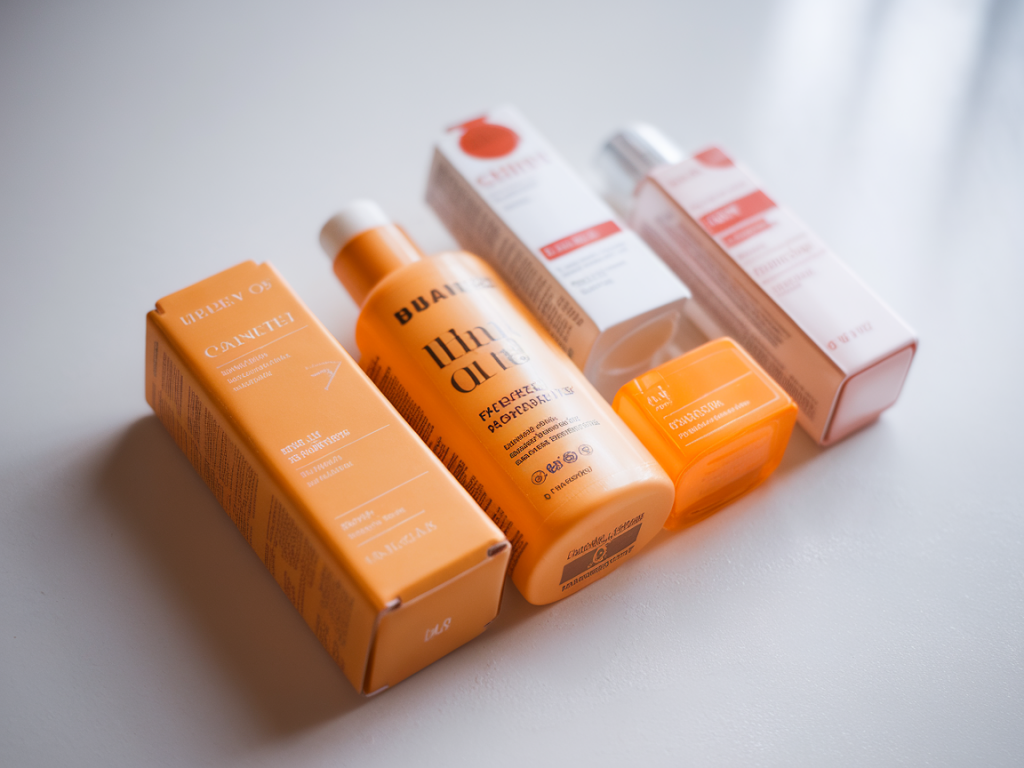
I’ve always been a sunscreen person — SPF is non-negotiable for me — but for years I wrestled with one particular frustration: sunscreen that pills under makeup. There’s nothing more annoying than applying a hydrating primer and foundation only to have little white clumps appear across your face a few minutes later. So I set out to test five UK‑friendly sunscreens to see which formulas survive a full makeup routine without balling up, losing coverage, or pill‑flaking into my concealer.
How I tested these sunscreens
I wanted the test to reflect a real‑life morning routine, so I kept things deliberately simple and repeatable. My skin is combination, leaning slightly dry in winter and oilier in summer; I regularly use a hydrating serum and a lightweight moisturiser. Here’s my protocol:
I also paid attention to texture, scent, finish on the skin (matte vs dewy), white cast, and whether the sunscreen altered my foundation shade.
The five sunscreens I tested
All are widely available in the UK and span chemical and mineral options so you can see how different technologies behave under makeup.
Quick comparison table
| Product | Finish | Pilling under makeup | White cast | Best for |
|---|---|---|---|---|
| La Roche‑Posay Anthelios Ultra‑Light SPF50+ | Matte, lightweight | Minimal | None | Daily wear, sensitive skin |
| ISDIN Fotoprotector Fusion Water SPF50 | Water‑like, natural | Almost none | None | Layering with hydrating primers |
| Supergoop! Unseen Sunscreen SPF40 | Smooth, velvety (silicone) | None | None | Primer replacement, makeup base |
| REN Clean Screen Mineral SPF30 | Satin, slightly tinted | Light flaking on dry patches | Minimal (tinted helps) | Natural looks, sensitive to chemicals |
| EltaMD UV Clear SPF46 | Sheer, slightly dewy | Some pilling with heavy silicone primers | None | Acne‑prone, rosacea |
What I noticed in practice
La Roche‑Posay Anthelios Ultra‑Light SPF50+ behaved exactly as its reputation suggests. It’s lightweight, sinks in quickly and leaves a matte, non‑tacky finish. Under both silicone and hydrating primers it stayed put — I saw almost no pilling even after powdering. My foundation applied smoothly and maintained coverage. If you prefer a matte base and often use powder, this is a reliable, fuss‑free option.
ISDIN Fusion Water SPF50 felt nearly waterless on the skin. It absorbed so fast that I sometimes thought I’d missed a spot. That rapid absorption is a big part of why it doesn’t pill: there’s less residue to interact with primer or makeup. My makeup looked natural and stable all day. If you’re someone who layers a hydrating primer (or none at all), this is a dream.
Supergoop! Unseen Sunscreen is built to be a primer and it shows. The silicone base produces a velvety, smoothing canvas for foundation. I experienced zero pilling — in fact, it often reduced the need for a separate primer. My only caveat is that the silicone texture can feel slightly heavy if you prefer very lightweight finishes, but makeup sits beautifully on it.
REN Clean Screen Mineral SPF30 is the outlier here. Mineral filters are more prone to disrupting makeup layers because they sit on the surface rather than absorbing. The REN’s tint helps with the white cast, but I did notice light flaking around dry spots after blotting or heavy powdering. If your skin is well‑moisturised and you avoid over‑powdering, it behaves much better. For those who prefer mineral SPF for sensitivity or environmental reasons, make sure to prep skin with a hydrating base.
EltaMD UV Clear SPF46 is a favourite for many dermatologists and I can see why. It’s lightweight and calming on blemish‑prone skin. However, when combined with heavy silicone primers the layers sometimes didn’t play nicely — I saw minor pilling in those cases. Paired with hydrating or lightweight silicone‑free primers, it was excellent. It’s worth testing your primer pairing with this one.
Practical tips to prevent pilling under makeup
Final thoughts on what won’t pill
Across my tests, the sunscreens that consistently avoided pilling were Supergoop! Unseen Sunscreen, La Roche‑Posay Anthelios, and ISDIN Fusion Water. Each has a different skin finish and texture, so the “best” will depend on what you like to use as a primer and how you finish your makeup. If you often skip primer, Supergoop can double up beautifully. If you prefer matte skin and powder, La Roche‑Posay is excellent. And if you want something ultra‑light that disappears into skin, ISDIN is hard to beat.
If you’ve had sunscreen pilling experiences I haven’t covered — different foundations, primers, or skin types — tell me about them. I’m always testing combinations and happy to try a request on Tressy Co.