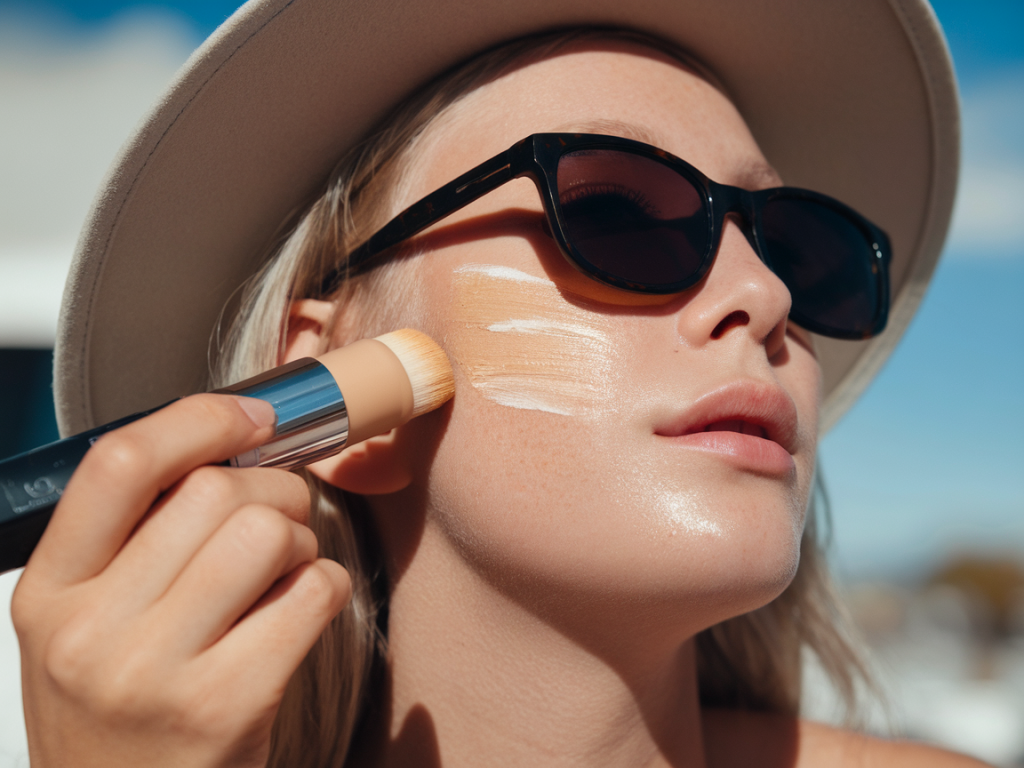
By midday, nothing is more deflating than looking in a mirror and seeing your foundation has shifted: gone a shade darker, patchy around the nose, or separated on the cheeks. I’ve had my fair share of mid-afternoon makeup meltdowns, and after testing dozens of primers, powders and formulas, I’ve learned there are specific tweaks that make a real difference. Below I share the practical primer, setting and skintone tricks that have kept my foundation true-to-tone and long-lasting—so you don’t have to reapply every hour.

Why foundations oxidise (and what that actually looks like)

Oxidation happens when ingredients in the foundation react with oxygen and oils on your skin, causing the shade to turn darker, more orange, or uneven. It’s not always the product’s fault—your skin type, primer, skincare oils and even diet can accelerate the reaction. You’ll usually notice it around the T-zone first, where oil production is highest, or in patches that collect product buildup.

Start with the right skin prep

Good makeup longevity starts with skincare. I used to skip or rush this step and paid for it by lunchtime. Here’s my go-to routine:

  • Cleanse thoroughly to remove excess oils and residue.
  • Use a lightweight, oil-free moisturizer if you have oily skin; richer creams for dry skin. I love CeraVe PM for light hydration that won’t feel greasy under makeup.
  • If your skin is very oily, apply a mattifying serum or gel—The Ordinary's Niacinamide + Zinc has helped reduce shine and oil throughout the day for me.
  • Allow each product to fully absorb before applying primer. If you rush, you trap moisture that can break down foundation.
  • Pick a primer that suits your skin—not a one-size-fits-all

    Primers are game-changers when chosen according to your skin’s needs.

  • Oily or combination skin: Look for silicone-based or mattifying primers that create a smooth, oil-resistant base. Smashbox Photo Finish and Benefit POREfessional are staples for minimizing shine and blurring pores.
  • Dry skin: Choose hydrating primers with glycerin or hyaluronic acid. Too many silicones over dry patches can make foundation crack; I like too faced Hangover RX as a hydrating option.
  • Normal skin: You can use a hybrid primer—lightweight and smoothing. Glossier Priming Moisturizer or Hourglass Veil are nice middle-ground picks.
  • Silicone vs water-based: If your foundation is silicone-based, pairing it with a silicone primer can improve longevity. If you use a water-based foundation, try a water-based primer to avoid separation.
  • Match your foundation to your real skintone and undertone

    One of the most overlooked causes of apparent oxidation is simply picking the wrong shade or undertone. A foundation that’s slightly too warm can look dramatically darker after a few hours.

  • Test shades on your jawline (not the wrist) and check in natural light.
  • Pay attention to undertones: cool (pink), neutral, or warm (yellow/peach). Products oxidise differently on warm vs cool undertones—neutral shades are often the safest bet if you’re unsure.
  • Try foundations with a neutral-to-cool undertone if you notice orange shifts; a touch of cool-toned concealer or a colour-correcting product can counteract warmth.
  • Apply less, layer strategically

    Thicker application increases the chance of oxidation because oils and air interact with more product. I’ve switched to building coverage in thin layers and it’s a revelation.

  • Use a damp beauty sponge for thin, even layers; it helps the product meld with skin rather than sit on top.
  • Start with a light layer where you don’t need much coverage and add product to areas that require more. This reduces the overall amount of foundation on the skin.
  • Set properly—powder and setting spray both matter

    Setting the foundation helps lock it in place and control oil. I do a two-step set: a lightweight powder in targeted areas and a setting spray for overall longevity.

  • Powders: Use a finely milled, translucent setting powder. Laura Mercier Translucent Loose Setting Powder is a classic for a reason—it mattifies without leaving a chalky cast. Press the powder with a puff where you need it most (nose, forehead, chin).
  • Setting sprays: A makeup setting spray helps melt the layers together and reduce powderiness. Urban Decay All Nighter is my go-to for full days, while a lighter hydrating mist works for less humid days.
  • Avoid over-powdering your entire face; this can cake and actually attract oil patches to form later. Focus on the T-zone and areas prone to shine.
  • Choose foundation formulas that resist oxidation

    Certain formulas are naturally more stable. While I still love dewy foundations on some days, for long wear I lean toward these options:

    Skin typeBest foundation styles
    Oily/combinationMatte, oil-control foundations (e.g., Estée Lauder Double Wear, Fenty Pro Filt'r)
    DryHydrating, dewy yet long-wearing formulas (e.g., NARS Sheer Glow, Armani Luminous Silk)
    NormalMedium-buildable formulas that balance finish and longevity (e.g., Charlotte Tilbury Airbrush Flawless)

    Also check whether brands label foundations as “long-wear” or “oxidation-resistant.” They often include stabilising ingredients to prevent colour shifts.

    Midday touch-ups that don’t make things worse

    If you must touch up, do it wisely. Blotting is usually better than adding more product.

  • Use blotting papers to absorb surface oils—this prevents you from piling on more foundation that will mix with oil and oxidise.
  • If you need coverage, use a light concealer rather than reapplying foundation all over. Apply sparingly and press gently with a sponge.
  • A quick spritz of setting spray after touch-up will help re-meld products.
  • Final little rituals that help

  • Store foundation in a cool, dark place—heat can accelerate chemical changes.
  • Replace products every 6–12 months; older foundations can separate or change tone.
  • Patch-test new mixtures on your jawline and wear for several hours to see if they oxidise on your skin before committing to them for a full-day event.
  • Keeping foundation from oxidising is partly about choosing the right products and partly about understanding your skin’s habits. With targeted skin prep, a primer that matches your needs, smart shade selection and light layering plus strategic setting, I’ve gone from midday panic to confident, long-lasting coverage. Try these tweaks one at a time and see which solve the problem for you—often a small change makes a big difference.