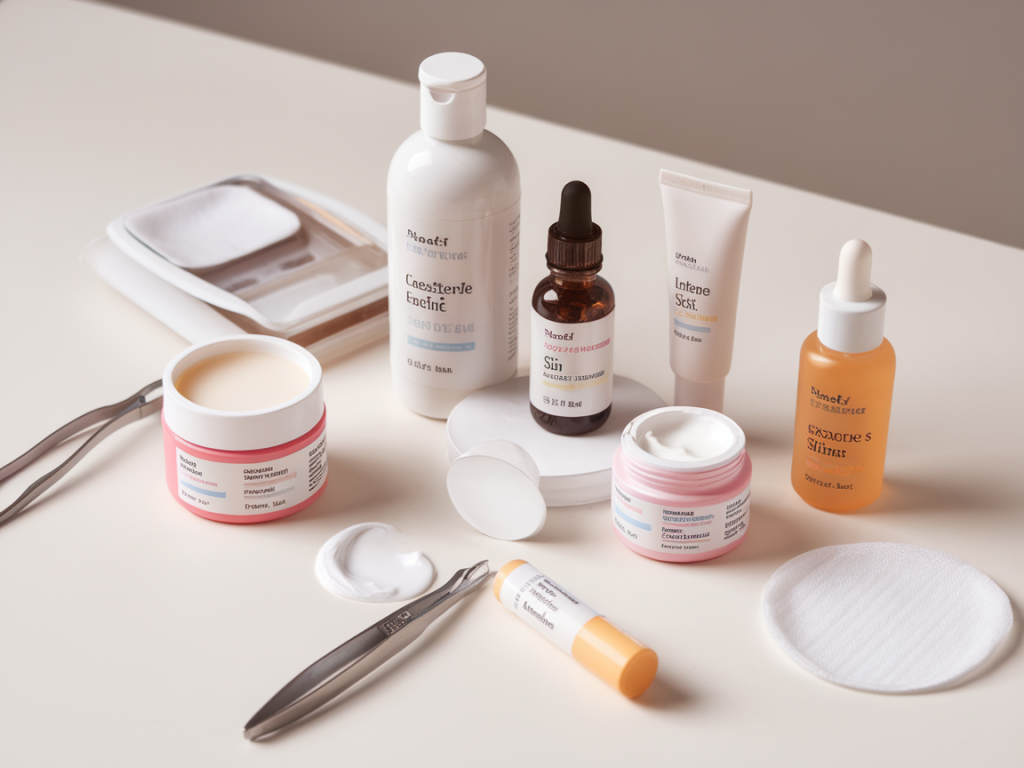
I’m often asked how I layer skincare when my skin is sensitive and easily overwhelmed. Over the years I’ve learned that the secret isn’t in piling on a hundred products, but in choosing gentle, effective items and applying them in the right order so each one can do its job. Here’s the simple morning routine I actually use on days when my skin is reactive — the one that keeps redness down, hydration up, and makeup sitting nicely without irritation.
Why layering matters (and what often goes wrong)
Layering isn’t just a beauty ritual; it’s practical chemistry. The order you apply products determines absorption, efficacy and comfort. Get it wrong and you can nullify an active ingredient, create pilling, or trigger sensitivity. My biggest mistakes early on were using too many actives at once and applying heavy creams before serums — both made my skin feel suffocated or stung.
For sensitive skin, the aim is to calm, protect and hydrate in gentle stages. That means starting with the lightest textures and ending with a protective barrier. It also means being mindful about concentrations (less is more), avoiding unnecessary fragrances, and patch-testing new products.
My simple morning sequence
Here’s the step-by-step routine I reach for on most mornings. I’ll explain the reason behind each step and suggest product types you can look for.
- 1. Gentle cleanse: I use a creamy or micellar cleanser to remove overnight build-up without stripping. Think CeraVe Hydrating Cleanser or Bioderma Sensibio H2O if you prefer micellar water. The goal is freshness, not squeaky-clean tightness.
- 2. Hydrating toner / essence: A lightweight, alcohol-free toner or essence helps rebalance pH and delivers early hydration. I like products with glycerin or hyaluronic acid at low concentrations, such as Klairs Supple Preparation Toner or Hada Labo Gokujyun Light. Pat it in rather than rubbing.
- 3. Targeted treatments (only if needed): If I’m using a gentle antioxidant like a low-dose vitamin C or a calming serum with niacinamide, this is the time. For sensitive skin, I prefer stable, lower-strength vitamin C formulas (for example, 5–10% ascorbic acid or magnesium ascorbyl phosphate) or a 2–5% niacinamide serum. Paula’s Choice 10% Niacinamide Booster diluted into moisturizer is a trick I use when my skin tolerates it.
- 4. Lightweight humectant serum: This is my hydration booster — a humectant-rich serum with hyaluronic acid or glycerin. The Ordinary Hyaluronic Acid 2% is a classic, but for sensitive skin I favor formulas with multiple sizes of HA to prevent the tight feeling.
- 5. Emollient (light moisturizer): To smooth and slightly seal in moisture, I go for a lightweight cream or lotion. First Aid Beauty Ultra Repair Face Moisturizer and CeraVe PM Facial Moisturizing Lotion (used in the morning for sensitive skin) are staples. They provide ceramides and fatty acids which reinforce the skin barrier.
- 6. Sunscreen: The final and non-negotiable step. I use mineral sunscreens (zinc oxide or a zinc/titanium blend) when my skin is particularly reactive — EltaMD UV Clear is a favourite for many with sensitive or acne-prone skin, and La Roche-Posay Anthelios Mineral is another gentle option. Apply generously and reapply throughout the day if you’re outdoors.
How to decide what to skip or add
Sensitive skin doesn’t mean you can’t use actives — but you must introduce them slowly. I add one new product at a time and give my skin two to four weeks to show how it reacts. Some rules I follow:
- Patch-test everything on my inner wrist or behind my ear for 48 hours.
- Start with lower concentrations and fewer days per week (e.g., vitamin C every third day).
- Avoid layering multiple exfoliating acids or retinoids in the morning — acids belong in an evening routine if used at all, and retinoids are strictly a night-time treatment for me.
- Skip fragrance, essential oils and high alcohol skincare. They’re common culprits behind irritations.
Dealing with common concerns
Here are practical answers to questions I get most often.
- My skin pills — how do I stop it? Pilling often happens when products have conflicting textures or are applied too quickly. Start with a light layer, allow each product to absorb for 30–60 seconds, and avoid heavy silicones over lightweight water-based serums. If pilling persists, try thinning out the layers: use either the serum or the moisturizer, not both.
- I react to vitamin C — can I still get antioxidant protection? Yes. Try gentler antioxidants like vitamin E (tocopherol in small amounts), bakuchiol (plant-derived retinol alternative), or polyphenol-rich botanical extracts (green tea, centella asiatica). You can also use lower-concentration vitamin C derivatives such as magnesium ascorbyl phosphate.
- How much sunscreen is enough? Most people apply half or less of the recommended amount. Use about a nickel-sized blob for the face and don’t forget the neck and ears.
- Can I use facial oils? Absolutely — if they calm your skin. I keep an eye on comedogenic ratings and use oils like squalane or rosehip sparingly. Apply oils after lighter water-based products but before a heavy occlusive if you need extra barrier protection.
Quick morning routine table
| Step | Product type | Why |
|---|---|---|
| 1 | Gentle cleanser | Removes impurities without stripping |
| 2 | Hydrating toner/essence | Balances and adds lightweight hydration |
| 3 | Targeted treatment (optional) | Antioxidant or barrier-repair actives |
| 4 | Humectant serum | Boosts hydration (hyaluronic acid/glycerin) |
| 5 | Light emollient | Restores lipids and smooths texture |
| 6 | Sunscreen | Protects against UV damage — non-negotiable |
Products I often reach for (and why)
I rotate based on how my skin feels, but some reliable picks:
- CeraVe Hydrating Cleanser — super gentle, with ceramides and hyaluronic acid.
- Bioderma Sensibio H2O — when I want a no-rinse cleanse or quick morning refresh.
- First Aid Beauty Ultra Repair — great everyday moisturizer for sensitive skin.
- EltaMD UV Clear SPF — lightweight mineral sunscreen that doesn’t sting eyes.
- The Ordinary Hyaluronic Acid — affordable hydration booster I use under my moisturizer.
Layering for sensitive skin doesn’t have to be complicated. Keep textures light, introduce active ingredients slowly, and always finish with sunscreen. When in doubt, simplify — fewer, kinder products used consistently will do more for your skin than a complex routine that leaves you irritated. If you’d like, I can help you build a tailored morning routine based on your exact skin concerns and the products you already own.