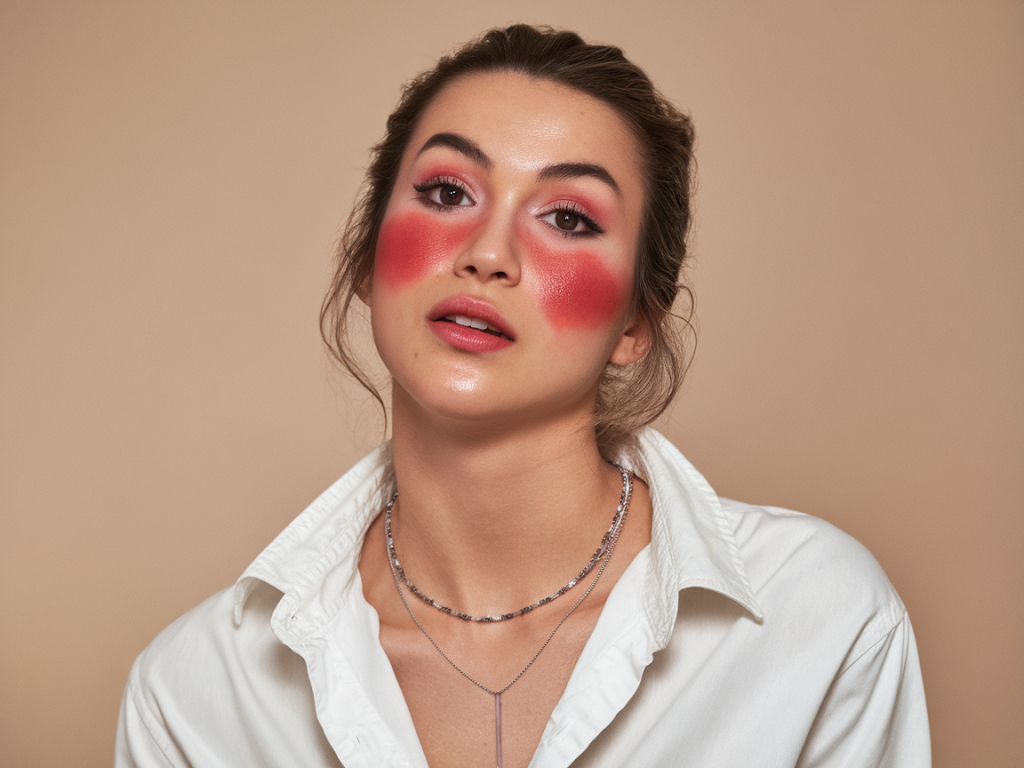
I’ve spent years testing sunscreens under makeup because nothing ruins a fresh base faster than suddenly flushed, angry-looking cheeks. If your face goes red after applying sunscreen and foundation, it’s not just you — it’s often a combo of product choice, formulation, and application technique. Below I walk through why this happens, how to avoid it, and the affordable sunscreens and tricks I reach for when I want protection without turning into a blotchy mess.
Why sunscreen can make your cheeks flush
A few common reasons explain that unwanted redness:
Irritation from ingredients — alcohol, fragrances, or certain chemical filters can sting or irritate sensitive skin, causing flushing.Heat and occlusion — heavy creams trap heat under makeup, especially on cheeks, leading to redness.Active skin conditions — rosacea or reactive skin will flare with the wrong formulation.Incompatibility with makeup — some sunscreens pill or react with primers/foundations, which can create patchy, red areas.Understanding the root cause helps you pick a sunscreen that protects without provoking a reaction.
What to look for in a sunscreen if you get flushed cheeks
When I’m choosing sunscreens for reactive or easily-flushed skin, I prioritize texture, ingredients, and finish.
Lightweight, non-greasy texture: Gel or fluid formulas layer under makeup more easily than thick creams.Non-comedogenic and fragrance-free: These reduce the chance of irritation or clogged pores.Alcohol content: Some lightweight formulas use alcohol to dry down — that can be drying or irritating for sensitive skin. If your cheeks react to alcohol, avoid those.Mineral (physical) vs chemical filters: Mineral sunscreens (zinc oxide, titanium dioxide) are generally gentler but can leave a whitecast or heavier finish. Modern micronised formulas are better, but still test first. Chemical filters are lighter but occasionally irritate reactive skin.Tinted formulas: A lightly tinted sunscreen can neutralize redness from the start and reduce how much corrective makeup you need.My go-to affordable sunscreens (what I actually use and recommend)
Below are sunscreens I’ve tested in real-life routines, layered under foundation and worn for a full day. I focus on options widely available in the UK and relatively budget-friendly.
| Product | Why I like it | Watch out for |
| La Roche-Posay Anthelios Shaka Fluid SPF50+ | Very lightweight, dries down matte, excellent under makeup, minimal whitecast. | Contains some chemical filters; if you’re ultra-sensitive test a patch. |
| CeraVe Hydrating Mineral Sunscreen SPF 50 (tinted) | Tinted option helps neutralise redness; contains ceramides and niacinamide to soothe skin. | Mineral finish can be slightly dewy; pat into skin to avoid white patches. |
| Neutrogena Ultra Sheer Dry-Touch SPF50 | Budget-friendly, very matte finish, lightweight — great under foundation. | Some versions contain alcohol so check if your skin is sensitive to it. |
| Garnier Ambre Solaire Sensitive Advanced SPF50 (tinted) | Affordable tinted option, fragrance-free and designed for sensitive skin. | Tint may be a shade mismatch for very fair or deep skin tones. |
How I layer sunscreen under makeup to avoid flushing
Even the best sunscreen can misbehave if layered incorrectly. Here’s my routine when I want to keep cheeks calm and makeup flawless.
Start with clean, hydrated skin. A lightweight, soothing moisturizer (with hyaluronic acid or glycerin) helps prevent the sunscreen from clinging and creating dry patches that can look redder.Apply sunscreen in thin, even layers. I apply half the amount required first, allow it to settle for 30–60 seconds, then apply the rest. This prevents pilling and reduces occlusion.Wait 10–15 minutes before foundation. Giving sunscreen time to fully absorb reduces the chance of the two products interacting and causing redness or patchiness.Pat, don’t rub. When I apply both sunscreen and foundation, I pat products in gently on the cheeks instead of rubbing. Rubbing can lift layers and create friction-induced redness.Use a light, colour-correcting primer if needed. A barely-there green-tinted primer applied sparingly on persistently red areas can help neutralize without adding another heavy layer.Finish with a setting powder/spray. A finely milled translucent powder applied lightly to the T-zone and cheeks can mattify and set layers without drawing out moisture. Avoid heavy powders that can cake and emphasize redness.Extras that help when redness is the recurrent problem
Spot-tinted sunscreen or stick SPF: For touch-ups I’ll sometimes use a mineral stick on specific areas (cheeks) that need extra protection without disrupting makeup.Try a tinted sunscreen first: If you always get red cheeks, a tinted sunscreen is my favourite single-step solution — it offers protection and colour correction at once.Patch test new formulas: I always test a new sunscreen on my jawline for a few days before trusting it under full-face makeup.Address the skin beyond product choice: If flushing persists, consider whether rosacea, diet, heat, or skincare actives (like retinoids or strong acids) are contributing. Seeing a dermatologist can be helpful.Quick product picks for different needs
Best lightweight matte (under makeup): La Roche-Posay Anthelios Shaka Fluid SPF50+ — dries down well, barely there.Best tinted for redness: CeraVe Hydrating Mineral SPF50 (tinted) or Garnier’s tinted sensitive SPF50 — both help neutralize without heavy layers.Best budget matte: Neutrogena Ultra Sheer Dry-Touch SPF50 — super affordable and plays nicely with foundation.If you tell me a bit about your skin type (dry, oily, combination, rosacea-prone) and the makeup you usually wear (light BB cream or full-coverage foundation), I can suggest a personalised sunscreen + makeup layering routine that will keep your cheeks calm all day.