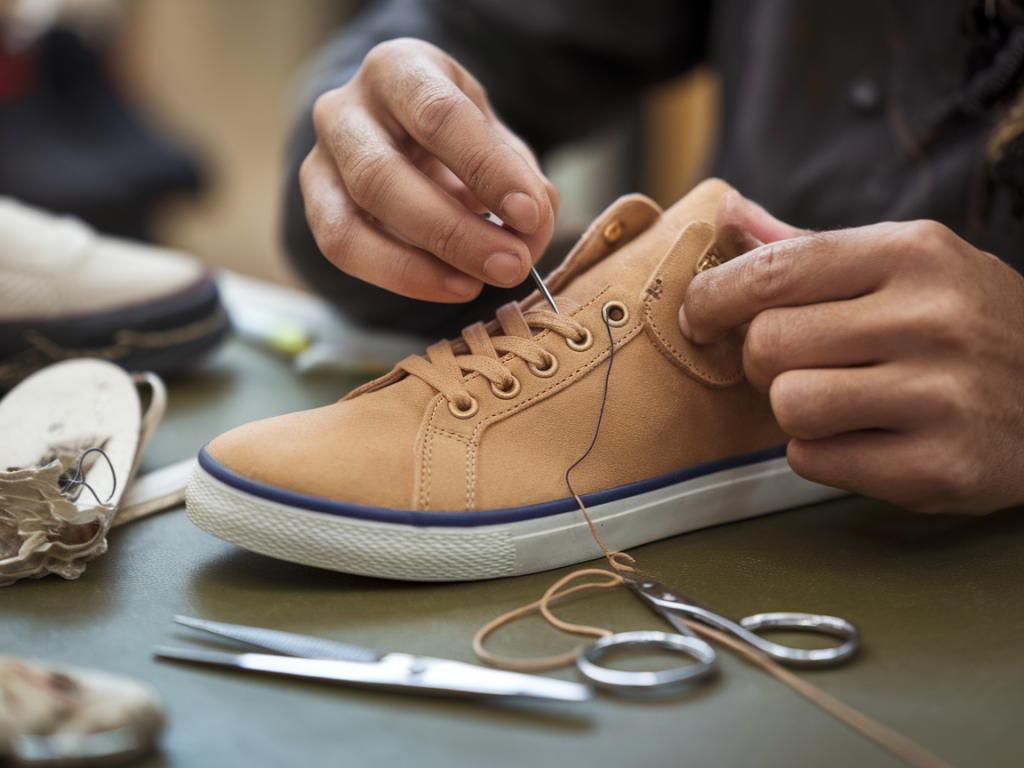
I buy a lot of high-street shoes. I love the thrill of finding a stylish pair for under £50, but I also hate how quickly some of them start to look tired. Over the years I’ve taught myself a handful of quick repairs and care tricks that stretch the life of cheap shoes by months — sometimes years — and save me money and the spirit-crushing guilt of tossing perfectly wearable shoes. Below I’ve written out the practical, easy things I actually do: small fixes, basic maintenance, and a few product picks that consistently work for me.
Start with a quick assessment
When I bring a new pair home, I give them a 2-minute check. This helps me spot weak points before they become big problems.
Material: Canvas, faux leather, suede, genuine leather, rubber — each needs different care.Sole attachment: Are the soles glued or stitched? Glued soles can come loose quickly on cheaper shoes.Construction details: Thin heels, flimsy fabrick lining, exposed foam — note any areas that will wear first.Making this assessment means I can prioritise protective products (like a sole protector) or a quick DIY fix the minute I spot an issue.
Quick fixes I keep in my kit
I have a small shoebox of repair essentials at home and one emergency kit in my handbag. Here’s what’s in them and how I use each item:
Strong adhesive: I use E6000 or Gorilla Super Glue for reattaching soles and small heel lifts — apply sparingly, clamp or weigh down for 24 hours.Sugru: This mouldable glue is a miracle for rebuilding worn heel tips, patching scuffs on rubber soles, or creating a non-slip pad. It bonds to most materials and cures into a flexible rubber.Heel taps and sole protectors: Heel taps (metal or plastic) can be nailed or glued onto dress shoe heels to prevent the heel from wearing down unevenly. Thin adhesive sole protectors (like Topy or generic transparent soles) stick to the bottom and add months of life.Shoe polish & leather balm: A neutral shoe polish and a nourishing balm (Saphir Renovateur is a treat if you want to splurge) help fill scuffs and keep faux or genuine leather looking fresh.Suede eraser and brush: For suede and nubuck, a dedicated eraser and brush lift dirt without damaging the nap.Waterproof spray: I always mist suede, canvas or fabric shoes with a waterproof spray before I wear them in unexpected weather.Daily habits that make a real difference
Some of the best longevity tricks aren’t dramatic repairs — they’re tiny changes to how you wear and store shoes.
Rotate your shoes: Wearing the same pair every day is the fastest way to wear them out. I aim for at least a day between wears for any one pair.Use shoe trees or stuff with paper: For leather and faux leather, cedar shoe trees absorb moisture and help keep shape. For cheaper pairs I can’t justify trees for, I stuff the toes with crumpled paper.Air them out: After wearing, I leave shoes by the door on a rack or a ventilated shelf rather than stuffing them back in a box or wardrobe where moisture can build up.Change insoles: A worn insole makes a shoe uncomfortable and increases friction on the lining. I replace them with cheap memory foam insoles or orthotic-friendly ones if needed.Material-specific care
Different materials demand different treatment. Here’s what I do depending on what I’m working with.
Canvas: Spot clean with a mild detergent and a soft brush. For white rubber soles, a magic eraser works wonders. Don’t machine wash often — it breaks down glue and causes shape loss.Faux leather: Wipe with a damp cloth and condition occasionally with a small amount of petroleum jelly or a vegan leather conditioner to prevent cracking.Genuine leather: Clean with a soft brush, condition monthly, and polish with a neutral or matching colour polish to hide scuffs. Use shoe trees when storing.Suede/nubuck: Use a suede brush to lift the nap, and a rubber eraser for stains. Apply a waterproofing spray before the first wear and reapply every few weeks if the shoes see a lot of rain.Rubber/athletic: Rinse with warm water, use a toothbrush for stubborn dirt, and let them dry naturally away from direct heat to prevent warping.Fast repairs I do at home
Here are a few repairs that feel like small miracles and take less than an hour.
Reattaching a sole: Clean the area, apply a thin layer of E6000 or contact cement to both surfaces, press together, and clamp or place heavy books on top for 24 hours.Replacing heel tips: If a heel tip is worn, I either buy replacement heel taps from Amazon or use Sugru to rebuild the worn area. For nailed heel taps you’ll often need a cobbler unless you’re comfortable with small hammers and nails.Fixing peeling edges: For faux leather where the top layer peels, I trim ragged edges, sand lightly, and glue down the flap with a tiny amount of super glue. Seal with a matching polish to camouflage.Stretching tight shoes: I use a shoe stretcher or a DIY method: wear thick socks and blow-dry the tight areas for 30 seconds while flexing toes, then walk around until cool. Repeat carefully.When to see a cobbler
There are limits to what glue and a DIY kit can do. I always take a beloved pair to a cobbler when:
The sole needs resoling: Resoling is worth it on leather or well-made shoes but usually not on mass-market flats — unless they’re uniquely comfortable or sentimental.The structure is compromised: If the upper has separated from the sole across a large area or the stitching is coming apart, a cobbler can restitch and reinforce it properly.You want professional heel replacement: Cobblers have the right taps and can match heights and materials so the repair looks seamless.Smart purchases that prevent headaches
Sometimes the best way to make cheap shoes last is to buy smarter from the start. I look for:
Solid sole attachment: Shoes with stitched or well-glued soles last longer than ones where the sole feels almost glued-on by design.Replaceable parts: Shoes where heel taps and insoles are replaceable are easier to maintain.Neutral colours and classic shapes: They’re easier to keep looking timeless with a polish or small repair.These tricks have saved me dozens of pairs and a surprising amount of money. They’re not glamorous — most involve a bit of glue, a tiny hammer, patience, and a few moments of maintenance — but they make the shoes I love feel like better investments. If you want, I can share a printable checklist of the repair kit items and a quick “first aid” guide to keep in your shoe box.