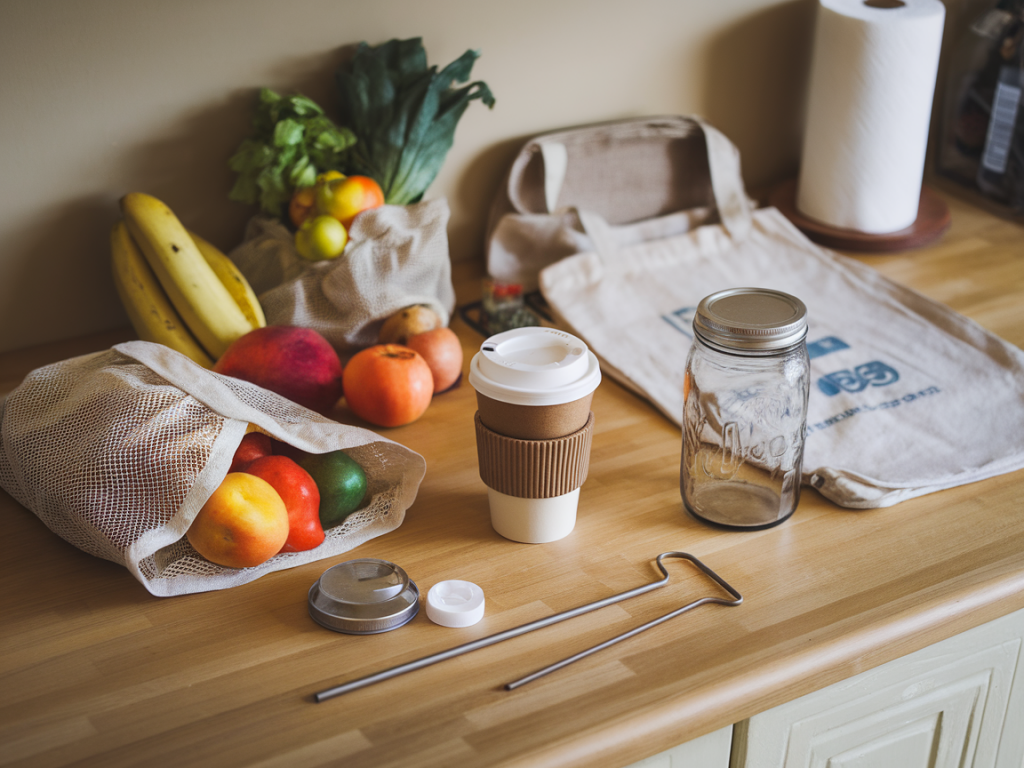
I’ve always loved the idea of sustainable living, but for years I thought it had to be expensive, fussy, or reserved for people who shop at specialty stores. Over time I’ve realised that the best eco-friendly habits are the ones that fit into daily life — small swaps that reduce waste and, importantly, save money. I’ve tried a lot of things in my kitchen, bathroom and around the house, and here are the swaps that actually made a difference in my bills and my bin.
Why choose swaps that save money?
There’s a big difference between aspirational sustainability and practical sustainability. I want change that lasts, so cost-effectiveness matters. When a swap lowers ongoing costs or has a fast payback, I’m much more likely to keep doing it — and that’s where real waste reduction happens.
Kitchen swaps that cut waste and your grocery bill
The kitchen was the first place I tackled. Food waste and single-use packaging are two of the biggest, easiest wins.
Meal planning and batch cooking — Planning meals for the week helped me buy only what I need and use leftovers creatively. I started batch-cooking staples (roasted vegetables, grains, tomato sauce) and freezing portions. It reduced food waste and the “takeout temptation” on busy nights, saving me around £20–£40 a month.Shop loose and bring containers — My local market sells loose grains, pasta and nuts. I now keep a set of glass jars and cotton produce bags in the car. A kilo of lentils in bulk is much cheaper than pre-packaged and creates zero packaging waste.Reusable kitchen cloths and beeswax wraps — I swapped single-use clingfilm and paper towels for a few beeswax wraps and washable cotton dishcloths. Beeswax wraps last months with care, and swapping paper towels saved me around £5–£10 monthly.Composting food scraps — I use a small countertop compost caddy and a community compost drop-off. Composting reduces landfill waste and gives me nutrient-rich soil for my balcony plants (and if you have a garden it reduces the need for bought compost).Bathroom swaps that feel luxurious — and economical
Bathroom products are an easy place to over-spend on single-use packaging. A few swaps made my routine simpler and cheaper.
Bar soap and shampoo bars — I used liquid soap and shampoo for years, always curious about bars. Shampoo bars last much longer per use and come plastic-free. I found a solid shampoo (like Lush or Ethique alternatives) that lasted three times longer than a bottle I previously bought.Refillable shower gels and hand washes — Many supermarkets and zero-waste stores now offer refill stations. I bring refillable pump bottles and top up at the store. The per-litre price is usually lower, and refillable options cut down on plastic.Safety razor and reusable tools — Switching to a safety razor reduced my disposable plastic waste from cartridges and saved money, too. The upfront cost is higher but replacement blades are cheaper.Cleaning swaps that keep the house tidy without the waste
I used to buy multiple specialised cleaners in plastic bottles. Now I keep a few multi-purpose items and make my own cleaners when it makes sense.
Bicarb, vinegar and castile soap — These three staples cover most cleaning jobs. I make a simple all-purpose spray with vinegar and water and a paste for stubborn stains using bicarb. They’re cheap and come in minimal packaging.Refill and concentrate products — For tasks I don’t want to DIY (like laundry), I buy concentrated formulas or refill pouches. Fewer plastic bottles and often a better price-per-wash.Microfiber cloths and old towels — Instead of single-use wipes, I keep a basket of cloths for different cleaning tasks. They’re washable and reduce continual purchases.Wardrobe and personal style swaps
As someone who loves fashion, I care about both style and impact. Some sustainable changes cut costs and keep my closet functional.
Buy less, choose better — Investing in one well-made coat or pair of shoes reduces the cycle of fast-fashion replacements. Over time this saves money because I’m not constantly replacing cheap items.Repair and tailor — I learned simple mending and keep a tailor’s number for hemming. A small repair extends a garment’s life far beyond buying a new one.Swap and borrow — For special occasions I borrow dresses from friends or use a clothes-swap app. It’s cheaper than new and keeps my wardrobe fresh without the waste.Small electric and energy swaps
Energy is one area where small investments have clear payback.
LED bulbs and smart strips — I replaced old bulbs with LEDs and used smart plugs to switch off standby power. LEDs cut the lighting bill and last years.Low-flow showerheads and aerators — Swapping a showerhead saved me litres of water without sacrificing the shower experience. The payback in water bills was obvious within a few months.Unplug and economise — I unplug chargers and electronic devices when not in use and air-dry clothes when possible. Habit changes added up to noticeable savings.Practical comparison: costs and savings (example)
| Swap | Typical upfront cost | Monthly saving (approx.) | Waste reduction |
| Shampoo bar vs liquid bottle | £8–£15 (one bar) | £3–£8 (longer lasting) | Eliminates plastic bottle |
| LED bulbs vs incandescent | £3–£8 per bulb | £1–£3 per bulb | Less energy, long life |
| Beeswax wraps vs clingfilm | £10–£20 (set) | £5–£10 (no paper/plastic buys) | Reduces single-use plastic |
| Safety razor vs disposable | £15–£40 (razor) | £2–£5 (blade replacements cheaper) | Reduces plastic cartridges |
How to start without feeling overwhelmed
Pick one room or habit and focus on it for a month. For me, that was the kitchen. Once I saw the benefits — less waste, less spending — I felt motivated to try another area. Keep a small notebook or a notes app to track money saved and items avoided in the bin; seeing progress is surprisingly motivating.
Finally, be kind to yourself. Sustainability isn’t perfection. It’s a series of choices that add up. The swaps that worked for me didn’t require a complete life overhaul — just curiosity, a few purchases with intention, and the willingness to try something different.