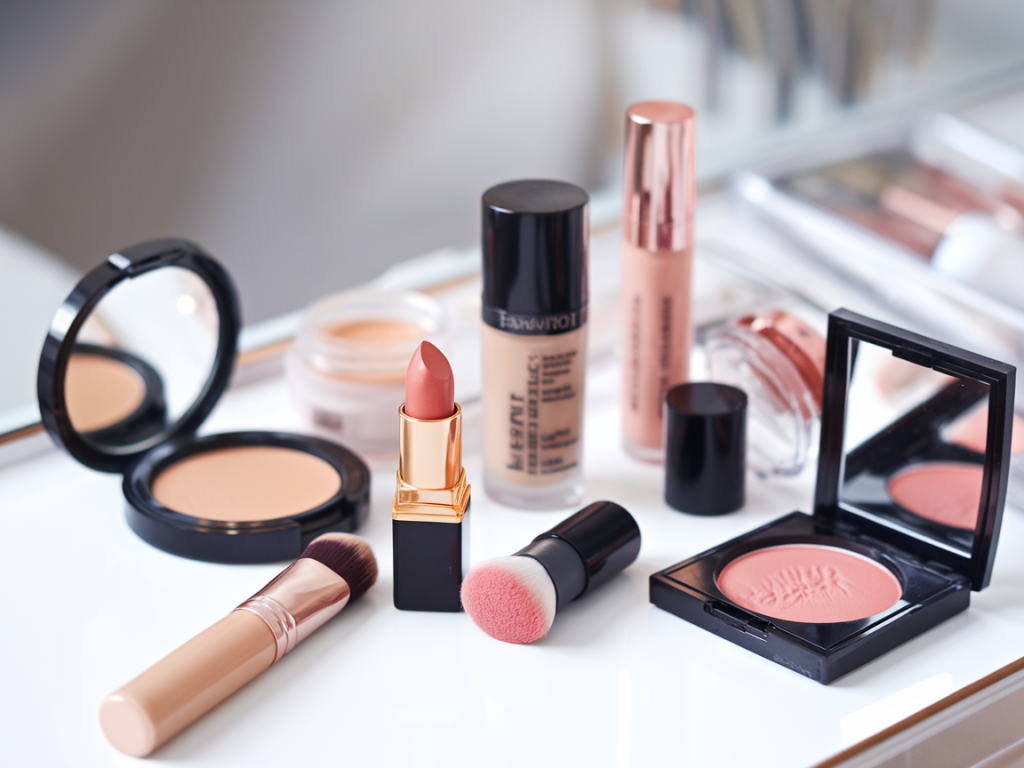
Testing beauty products is part science, part curiosity, and — if I’m honest — a lot of habit. Over the years I’ve developed a practical checklist that helps me separate hype from genuinely helpful formulas, and that’s what I want to share with you. Whether I’m trying a new moisturiser, a cult cleanser, or a bright red lipstick, I use the same framework to evaluate results, safety, texture and real-life wearability. Here’s the step-by-step process I use on Tressy Co, with tips you can apply at home when you’re deciding whether to repurchase a product or recommend it to a friend.
First impressions: packaging, scent and texture
The first five minutes with a product tell you more than you might think. I pay attention to three quick things right away:
Packaging — Is it sturdy? Does it protect the product from light and air (important for vitamin C, retinols)? Is the dispenser practical for travel and daily use? A glass jar with a wide opening looks luxe, but I note if air exposure might shorten the formula’s life.Scent — Is it natural or artificially perfumed? How strong is it? For many skin products I prefer minimal fragrance, since strong parfums can irritate. If I smell a heavy floral scent in a daytime SPF, that’s a red flag.Texture & finish — Is the cream heavy, gel-like, or oily? How quickly does it absorb? For example, a “rich” cream that leaves a greasy film won’t work for my oily/combination readers; a gel that melts into skin is more universally wearable.Ingredient check: quality over buzzwords
I’m not a chemist, but I read labels like a curious editor. I look for active ingredients, concentration hints, and obvious fillers or irritants.
Actives first — Where do ingredients like niacinamide, hyaluronic acid, retinol, vitamin C, or salicylic acid appear in the list? If a product claims to be “with vitamin C” but it’s fifth or tenth on the list, the concentration may be too low to make a real difference.Known irritants — Alcohol denat, strong essential oils, synthetic fragrances can be triggers for sensitive skin. I note them and test cautiously if a product includes them.Stability & delivery — Ingredients like L-ascorbic acid (pure vitamin C) are unstable in open-air packaging. If a product uses a sensitive active, I prefer pump bottles or airless packaging and transparent claims about formulation stability.Patch testing and the first week
Before committing to a full-face / hair / body trial, I always patch test. It’s a simple step that saves time and irritation:
Apply a tiny amount behind the ear or on the inner arm for 24–48 hours and look for redness, itching, or bumps.Start using the product once daily for the first week to monitor immediate reactions. Sometimes sensitivity appears within days.For actives like retinol or acids, I introduce them gradually—once or twice a week—and build tolerance. If you see strong redness, burning or swelling during the patch test, stop immediately.
Real-life wear and performance
Testing a beauty product isn’t a lab experiment. I use products in the same way you would: in the morning rush, on a long day out, and sometimes on a weekend of self-care. Points I track:
Duration — For makeup I time how long foundation or lipstick lasts through breakfast, errands and (if applicable) exercise or mask-wearing.Layering compatibility — Does the serum play nicely with sunscreen? Does the moisturiser pill when you add primer? I test products as part of a routine, not in isolation.Effectiveness — For skincare, I look for measurable changes in texture, hydration, breakouts, or tone after 4–8 weeks. For haircare, I note shine, frizz control, weight and scalp reaction after a few washes.Sensitivity, purging and realistic timelines
One of the trickiest parts of testing skincare is differentiating between irritation, purging and normal adjustment. I follow these guidelines:
Irritation — Immediate stinging, burning, or widespread redness usually means stop the product.Purging — If you’re introducing a strong active (like retinoids or chemical exfoliants), small pimples in zones where you typically break out can occur as the skin accelerates cell turnover. Purging often resolves within 4–6 weeks; if it worsens or spreads, discontinue.Adjustment period — A week of slight tightness or flakiness with retinoids or acids can be normal; I reduce frequency rather than ditching the product immediately.Longer-term results: the 4–8 week window
Skin cell turnover and hair cycles mean many claims need time to prove themselves. I give products 4–8 weeks before rendering a final verdict, unless there are safety concerns.
Hydration & barrier repair — You can tell within a week whether a moisturiser is hydrating, but repair of the skin barrier may take several weeks.Anti-aging claims — Noticeable changes from retinoids, peptides or vitamin C can take 8–12 weeks for meaningful differences. I document with photos under consistent lighting.Anti-breakout products — A calming serum or spot treatment should reduce active blemishes within days and reduce new breakouts over weeks.How I score products: my honest review checklist
I’ve developed a simple scoring grid I use to stay objective. It helps me balance experience vs. marketing. Below is a condensed version I use when writing reviews.
| Category | What I look for | Why it matters |
| Packaging | Practical, protects actives, easy to use | Preserves formula & improves user experience |
| Texture & Scent | Comfortable application, not overpowering | Daily pleasure affects long-term use |
| Ingredients | Effective actives, minimal unnecessary irritants | Predicts safety & efficacy |
| Performance | Hydration, wear time, visible results | Does the product do what it promises? |
| Value | Price vs. concentration & results | Is it worth repurchasing? |
Transparency & repeatability
When I publish reviews on Tressy Co I include:
How long I used the product (e.g., “4 weeks, daily PM use”).My skin type or hair type (I try to be specific: oily-combination, sensitive with rosacea, fine dry hair, etc.).Any side-by-side comparisons (e.g., “This serum vs. The Ordinary Niacinamide 10%”).This context helps you decide if my experience is relevant to yours. If a product worked for me but might irritate sensitive skin, I say so clearly.
Practical testing tips you can use
Test one new product at a time so you can tell what’s doing what.Keep a short journal: date, product, frequency, any reactions or improvements.Use consistent photos (same light, same angle) if you’re tracking changes like hyperpigmentation or texture.For makeup, test in real life—wear it on a day out, under a mask, in humidity. Lab swatches can be misleading.Brands and examples I often refer to
Specific examples can be useful. I frequently test crowd-pleasers and niche finds: La Roche-Posay and CeraVe for barrier-friendly basics, The Ordinary for transparent actives, Charlotte Tilbury or NARS for makeup formulas that balance performance and elegance. But I approach every product with the same checklist—good packaging and marketing can’t replace evidence from a real-life trial.
At the end of the day, testing is about being honest: with the product, with the reader, and with myself. I aim to provide reviews that are practical, repeatable and kind to your time and skin. If you’d like, I can share printable versions of this checklist or a template for your own testing journal — just say the word.