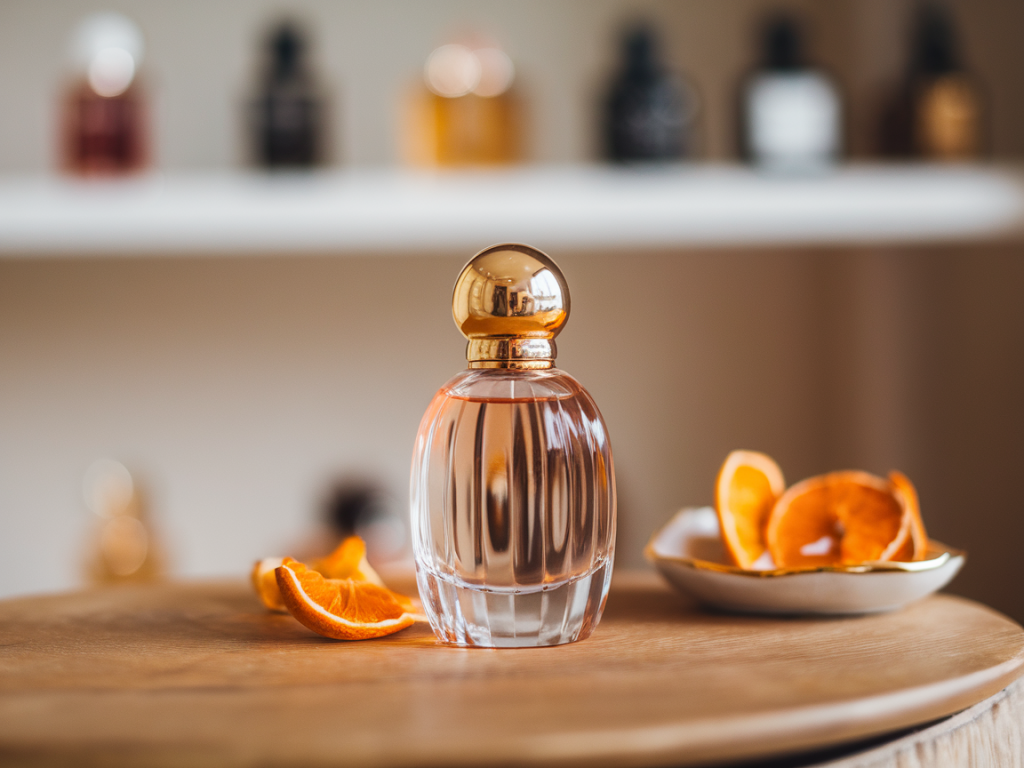
I always thought choosing a “daily” perfume would be simple — pick something pretty and spritz. But over the years I’ve learned it’s not just about what smells nice in the bottle; it’s about how a fragrance sits on your skin, how long it lasts while you run errands or sit at a desk, and whether it feels like an extension of your mood. If you’re hunting for the perfect everyday perfume, here’s everything I wish I knew earlier: how to read notes, what determines longevity, where to properly sample, and a few practical tips from my own trial-and-error experiments.
Why “everyday” perfume is different from special-occasion scent
To me, an everyday perfume is something I can wear from morning coffee to an evening out without feeling overpowering or out of place. It’s versatile, not too clingy, and somehow comforting. Whereas a special-occasion scent might be bold, sultry or very characterful, an everyday perfume feels like a worn-in sweater: familiar, flattering, and easy to live in.
Understanding notes: top, heart and base
Perfume notes are often presented like a little story that unfolds over hours. Learning to read them helps you predict how a fragrance will feel at different times of the day.
- Top notes are the first impression — citrus, light fruits, green or aromatic herbs. They’re bright and evaporate quickly.
- Heart (middle) notes form the core of the scent — florals, spices or softer fruits. This is what people will mainly smell on you after the initial burst.
- Base notes are the foundation — woods, resins, musk, vanilla. They’re heavier and linger, shaping the perfume’s lasting character.
When trying a scent, pay attention not just to the top note (which can be misleading), but to how the heart and base develop on your skin. A citrus top can become too sharp unless it’s balanced by a warmer heart.
Concentration matters: parfum vs eau de parfum vs eau de toilette
One of the fastest ways to misjudge a fragrance is to ignore concentration. Higher concentration generally means more oils and longer staying power.
| Concentration | Typical oil % | Feel |
|---|---|---|
| Parfum (Extrait) | 15–40% | Rich, long-lasting, often more expensive |
| Eau de Parfum (EDP) | 10–20% | Balanced for everyday wear, good longevity |
| Eau de Toilette (EDT) | 5–15% | Lighter, fresher, needs reapplication |
For everyday, I usually lean towards an EDP for its balance of longevity and subtlety. A parfum can be wonderful but sometimes too intense for an office or daytime errands. An EDT is ideal if you love lighter, more playful fragrances and don’t mind touching up.
Longevity: what influences how long a perfume lasts
Longevity is affected by concentration, of course, but also by notes (base notes like amber, vanilla, woods last longer), your skin type (oily skin holds scent longer), and where/how you apply it.
- Apply to pulse points (wrists, inside elbows, behind ears). Heat helps release the scent.
- Layer subtly — a matching lotion or shower gel can extend wear without making the scent louder.
- Avoid rubbing wrists together; this breaks down the fragrance molecules and shortens the life of the perfume.
Where to sample: the right places and the right approach
Sampling correctly is the single best thing you can do. A spritz on a paper blotter in a busy department store under fluorescent lights won’t tell you if a perfume will become your daily signature.
- Start at fragrance counters like Liberty, Selfridges or smaller independent boutiques. Ask for a vial or sample spray to take home — most reps are happy to help if you say you’re deciding for everyday wear.
- Visit brand boutiques (Jo Malone, Le Labo, Byredo). The staff usually know the collections inside out and can suggest closest matches if you’re looking for something specific (for example, a softer rose or a cleaner musk).
- Try discovery sets — many houses sell sample packs (Maison Francis Kurkdjian, Diptyque, Le Labo, Chanel). They’re a small investment and allow you to live with a scent for days, which is the only true test.
- Subscription services like Scentbird, Sniph or LuckyScent offer monthly samples. Great if you like rotation and don’t want to commit.
- Online sampling — some niche brands send generous samples with orders; places like Perfume Society also sell samples.
When you sample, try no more than three fragrances in one sitting. Give yourself time between scents (smell coffee beans or step outside) so your nose doesn’t get overwhelmed.
How to test at home — a small ritual that changed my choices
I used to judge perfumes in-store and then wonder why they didn’t work at home. Now I follow a small ritual:
- Wear a clean, unscented base (no perfume, minimal fragranced body products).
- Spritz once on the inner wrist and once on clothing if the brand recommends — fabrics can hold differently than skin.
- Check at 15 minutes (heart), 1–2 hours (developed heart), and 4–8 hours (base). Take notes: “too sweet at 1 hour” or “lovely powdery dry down at 6 hours.”
- Live with it during real-life activities — walking, desk work, coffee — and notice how it interacts with your day.
Choosing scents by season, mood and lifestyle
I’ve found it helpful to pair perfumes with seasons and the life I live. Some examples that I reach for:
- Cooler months: warm woody or amber-based EDPs (e.g., Maison Margiela Replica By the Fireplace vibes, or Jo Malone’s Velvet Rose & Oud if I want something slightly richer).
- Warmer months: citrus, light floral or watery notes (Chanel Chance Eau Tendre or Byredo Gypsy Water toned down work well).
- Office/Daytime: clean musk, soft florals, or subtle citrus blends that won’t overpower colleagues (Jo Malone English Pear & Freesia is an office-friendly classic).
- Weekend/coffee dates: something a little playful — maybe a fruity-floral or vanilla-tinged scent.
Match intensity to activity. If I know I’ll be in close quarters, I opt for softer compositions; if I want to feel cocooned on a quiet day at home, richer things are allowed.
Practical tips and common mistakes
- Don’t rely on testers alone. Take samples home — a perfume will change as it breathes on your skin.
- Avoid mixing scents when testing: wash off previous scents or test on different spots so you get a clean read.
- Consider value over big-name labels. Many high-street brands make elegant everyday fragrances (think Zara’s limited editions or The Ordinary’s pairs) that do the job beautifully.
- Store correctly: cool, dark places away from light and heat keep a perfume true for longer.
- Be patient. Your relationship with a scent can change. A perfume you ignored a year ago might feel perfect now.
Final practical checklist before you buy
- Did you test it on skin and not just paper?
- Did you experience the top, heart and base over several hours?
- Does it suit your daily activities and environment?
- Is the concentration right for how you want it to wear?
- Would you be happy to smell like this every day?
Finding an everyday perfume is part detective work and part personal preference. It should make you feel a little more yourself without needing constant attention. My best love notes: take samples home, wear them through a real day, and trust the scents that become quietly familiar — the ones you find yourself reaching for without thinking.