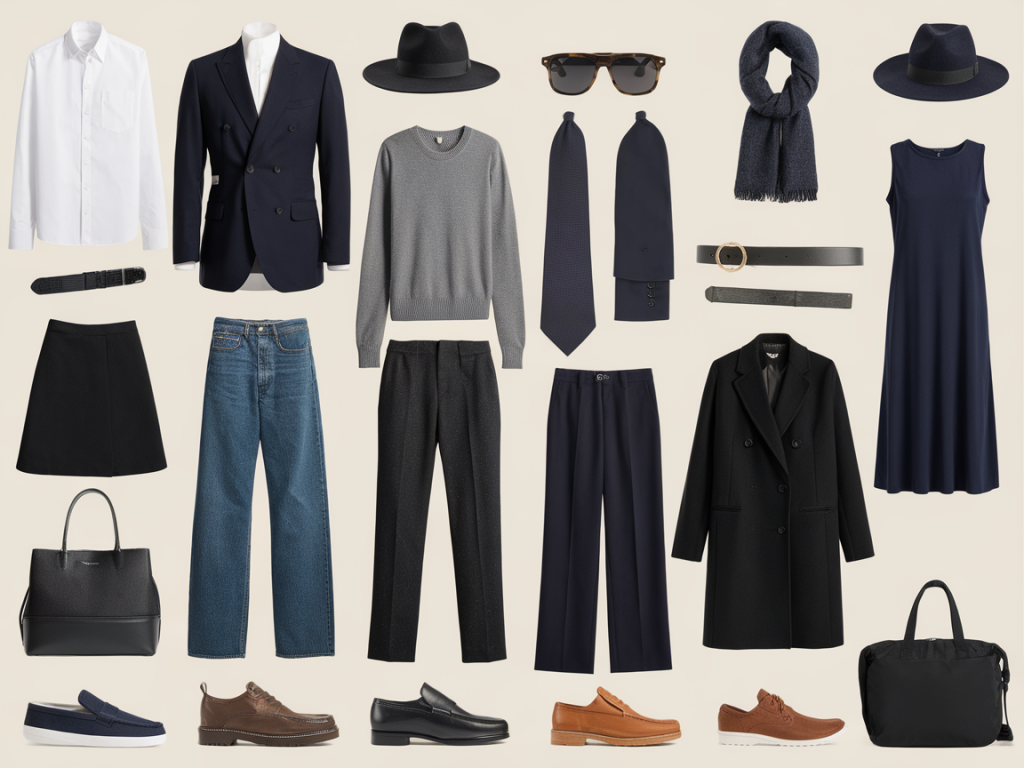
I started building capsule wardrobes as a way to simplify mornings, spend smarter and—surprisingly—be more creative with less. Over time I learned that a well-curated 20-piece closet can cover most of life’s needs: workdays, weekends, date nights, travel and those "I have nothing to wear" moments. Below I’ll walk you through how I choose pieces, what to include, how to style them, and practical tips to keep everything feeling fresh. This is the approach I use for Tressy Co: honest, easy and focused on real life.
Why a 20-piece capsule?
When I first tried a 20-piece limit I worried I’d feel restricted. Instead it forced me to be intentional. With only 20 versatile items (not counting underwear, activewear or accessories), you learn which shapes, colours and fabrics truly work for your life. It also teaches you to mix and match, which is the point: more outfits with fewer things.
How I choose the right 20 pieces
There are three questions I ask before anything goes into my capsule:
- Does it fit my life? If your week is mostly office meetings, a linen blazer and smart trousers are more useful than a party dress.
- Does it coordinate? I pick a neutral colour palette—usually black, navy, cream and one accent colour—so everything plays well together.
- Will I reach for it often? If a piece feels special-but-unused, it doesn’t belong in the daily capsule. Save it for seasonal rotation.
The 20 essentials I recommend
Below is a simple, adaptable list I often use. Swap fabrics and colours to match your climate and style.
| Tops (6) |
|
| Bottoms (4) |
|
| Outerwear & Layers (3) |
|
| Dresses (2) |
|
| Shoes & Extras (5) |
|
How to make these 20 pieces go further
Here are my favourite tricks to multiply outfits without adding more items:
- Layer smartly: A tee under a silk blouse or a sweater over a dress instantly changes the vibe.
- Play with proportions: Tuck a blouse into high-waisted jeans one day, leave it loose over trousers the next.
- Change shoes: Sneakers vs heels vs boots will take you from grocery run to evening drinks with the same outfit.
- Use accessories: A belt, a scarf tied to a bag or a simple necklace can look completely different.
Example week of outfits
I like having a ready set of combinations so mornings are easier. This is an actual rotation I used during a busy week of meetings and social plans:
- Monday: white button-down + tailored trousers + loafers + blazer = polished meeting-ready look
- Tuesday: crewneck tee + dark jeans + ankle boots + trench = casual but tidy
- Wednesday: silk blouse + skirt + pumps = client lunch
- Thursday: striped Breton + chinos + sneakers + denim jacket = creative office day
- Friday: little black dress + heeled sandals + leather jacket = dinner plans
- Saturday: day dress + sneakers + lightweight scarf = coffee and errands
- Sunday: knit sweater + wide-leg trousers + ankle boots = relaxed, cosy day
Shopping tips to build your capsule
When I shop for capsule pieces I follow these rules:
- Quality over quantity: Spend a bit more on neutrals you’ll wear a lot—think blazer, trench, good jeans. Brands like Everlane, COS and M&S often have reliable classics.
- Stick to a palette: Choose two base neutrals and one accent colour so everything mixes easily.
- Try before you buy: Fit matters more than labels. A cheaper piece that fits well will outshine an expensive item that doesn’t.
- Think fabric care: Wool and silk are lovely but require care. If you prefer low-maintenance, look for machine-washable alternatives with similar drape.
Seasonal swaps and maintenance
A 20-piece capsule isn’t static. I rotate 4–6 items each season—swap the trench for a heavier coat, replace sandals with boots. For maintenance, I:
- Repair small issues straight away (loose buttons, small snags).
- Rotate shoes to extend their life and air them out.
- Keep a dedicated capsule shelf or space in the wardrobe so everything is visible—a tidy capsule feels more inspiring.
What to do when you miss variety
Capsules aren’t about deprivation. When I crave novelty I try one of these low-cost fixes:
- Borrow a statement piece from a friend for an evening.
- Shop secondhand or swap clothes to add one new item without expanding permanently.
- Play with hair, makeup or accessories to create a new mood.
My favourite final piece of advice: start with a 20-piece challenge for one month, then tweak. You’ll learn what you wear most and what’s missing. The goal isn’t to be minimalist for its own sake; it’s to make getting dressed feel easier, more intentional and a bit more joyful. If you want, I can put together a printable checklist of the 20 items tailored to your lifestyle—tell me what your week looks like and I’ll adapt the list.