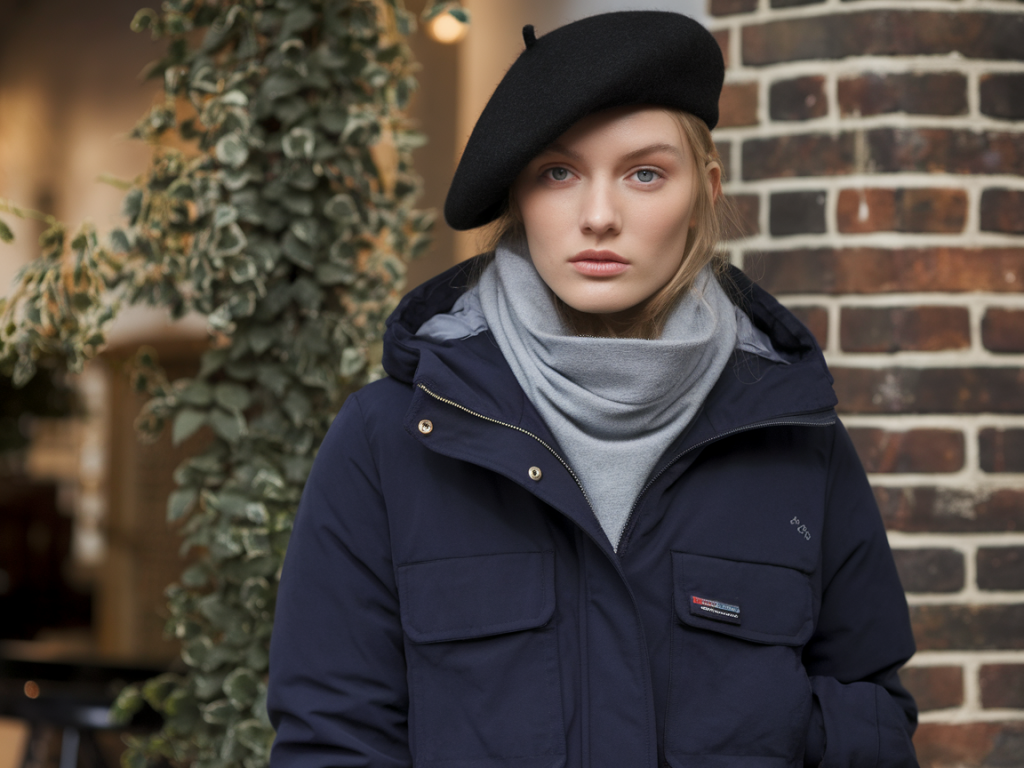
I’ve owned coats that felt brand new after five winters and others that looked tired after one season. The difference rarely came down to price alone — it came down to knowing what to buy now, and how to care for it so the coat actually becomes a long-term piece in your wardrobe. Winter coats are investment pieces not just because they keep you warm, but because they shape how you feel stepping out into the cold. Here are the things I reach for and the decisions I make when I'm buying a coat I want to keep for years.
Buy classic shapes, but choose the right fabric for your life
When I think about durability, the silhouette is my first filter. Classic shapes — a tailored wool coat, a single-breasted camel wrap, a slightly oversized pea coat — survive trends and laundering cycles of love. That said, the fabric should match your lifestyle.
- Wool and wool blends: The most timeless option. Pure wool is warm and holds structure. A 70/30 wool-cashmere blend softens the hand while keeping most of wool’s resilience. For someone commuting in wet weather, look for a coat with a wool blend that has been treated for water resistance.
- Technical outerwear: If you walk or cycle a lot, pick modern technical fabrics — Gore-Tex, Pertex, or DWR-treated shells. They’re less luxurious-feeling but massively practical and long-lasting. Brands like Arc’teryx or Patagonia use materials designed to survive wear-and-tear.
- Down and puffer coats: Great for real cold. Look for high fill-power down (600–800+) or responsibly sourced alternatives like PrimaLoft. A well-made puffer can last if the shell fabric is robust — check denier ratings and seam quality.
- Wool alternatives: For cruelty-free shoppers, look for recycled polyester blends or technical fleeces with a dense weave. These can be surprisingly long-lived if the fabric is dense and pilling-resistant.
Pay attention to construction details
It's the small things that determine whether a coat will limp along or age beautifully. I inspect the following every time I consider a purchase:
- Seams and stitching: Double-stitched seams and reinforced stress points (shoulders, pockets) are non-negotiable. Loose threads or uneven stitching are red flags.
- Lining: A high-quality lining reduces friction and wear on the outer fabric. Bemberg (cupro) is expensive but breathable; polyester-lined coats are easy to care for. Removable linings extend use across seasons.
- Buttons and zippers: Heavy-duty zips (YKK is a reliable sign) and securely sewn buttons make a huge difference. Ask about spare buttons or check whether the brand offers replacements.
- Interfacing and padding: Structure in collars and lapels comes from good interfacing. If a coat looks shapeless on the hanger, it probably won’t improve with wear.
Choose colours and patterns that will age well
I rarely buy novelty prints for something I plan to keep. Instead, I opt for neutrals with a twist:
- Timeless neutrals: Camel, black, navy, olive and charcoal are the easiest to style and keep looking sharp.
- Deep seasonal colours: If you want colour, choose deeper tones that can still pair with many outfits — forest green, burgundy, deep teal.
- Pattern choices: Subtle checks or herringbone are classic; loud plaids can be beautiful but risk dating a coat quickly.
Think long-term about fit
Fit is king for longevity. A coat that fits well will be worn more often and treated with care. Here’s how I approach fit:
- Layering ease: Try coats with the layers you’ll wear underneath — a thin knit vs a chunky sweater — to ensure you’re comfortable.
- Shoulder alignment: The shoulder seams should sit at your real shoulder, not droop or pinch. Tailoring can fix length and sleeve issues, but not shoulder width.
- Proportions: Think about your wardrobe: knee-length coats work with dresses and trousers; cropped styles pair well with high-waisted jeans and boots.
Invest in care products and small repairs now
One of the best decisions I made was buying quality care products the moment I bought a new coat. Small maintenance items multiply its lifespan.
- Lint and pill remover: A fabric shaver or sweater stone keeps wool looking tidy. Use gently and infrequently.
- Waterproofing spray: Nikwax or Grangers for technical shells; a scent-free spray for wool if you live in damp climates. Reapply each season or after washing.
- Brush and spot cleaner: A natural bristle brush lifts dirt from wool. For spot cleaning, Boro or Dr. Beckmann stain removers are reliable for delicate fabrics.
- Shoe/coat bags and cedar hangers: Store coats in breathable garment bags and on broad, supportive hangers to maintain shape and keep moths away.
- Tailoring budget: I always set aside money for a one-time tailoring fix — shortening sleeves, nipping the waist or fixing the hem will make the coat feel custom and extend its wear.
When to repair, when to replace
My guiding rule: repair small issues immediately. Loose linings, popped stitches, missing buttons — these are quick fixes that prevent bigger damage. Replacing a zipper or patching a small tear is almost always worth it for a coat you love. I keep a tailor’s number on hand because quick, affordable repairs save money and waste in the long run.
Brands and specific items I’ve come back to
I don’t believe one brand fits everyone, but these are names I’ve personally trusted for longevity:
- Uniqlo: For affordable wool blends and compact down that hold up surprisingly well with proper care.
- Cos & Jigsaw: Clean, classic silhouettes with good fabric choices and solid construction.
- Patagonia & Arc’teryx: For technical coats that genuinely stand the test of time and active use.
- Massimo Dutti & Reiss: Mid-price options for well-tailored wool coats that can be altered easily.
Small habits that make the biggest difference
Finally, it’s the daily habits that keep a coat looking new: shake out your coat after wearing to remove dust, brush wool regularly, air your coat between wears to avoid over-washing, and spot-clean stains as soon as they happen. Storing coats with tissue paper in the shoulders, and using breathable bags, prevents creasing and odor buildup. The cumulative effect of these small rituals is huge.
If you buy with fabrics and construction in mind, choose a shape and colour you’ll wear often, and commit to simple maintenance, your winter coat will last for years — and become that comforting, familiar piece you reach for without thinking. The coat becomes part of your winter routine, not just another seasonal purchase.